FT



Glock-18Umbral Rabbit


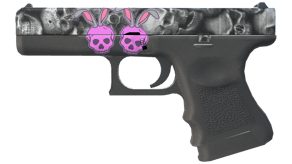
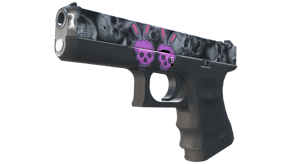
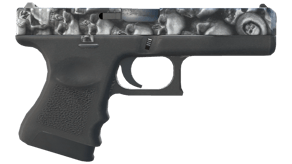
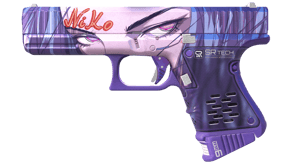
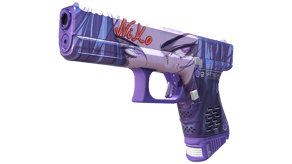
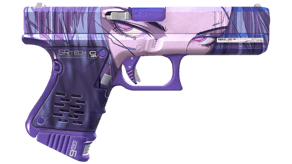
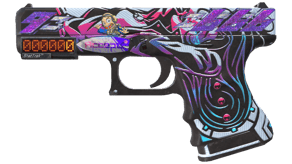
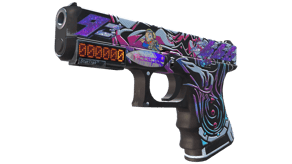
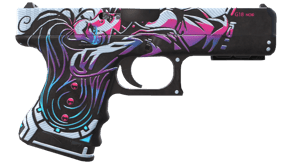
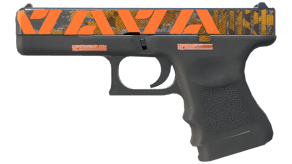
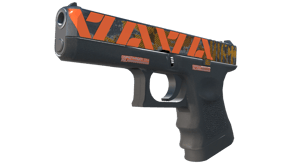
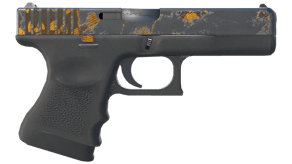


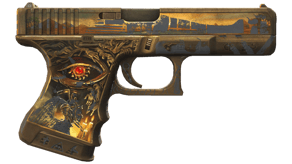
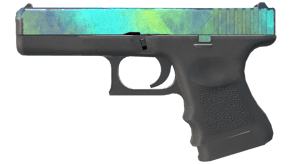
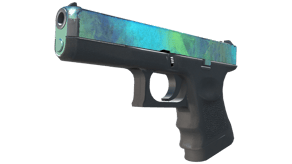
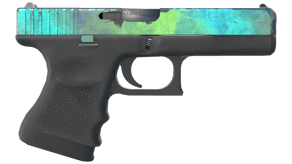

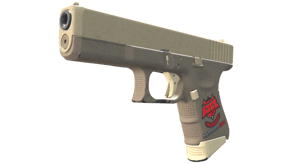
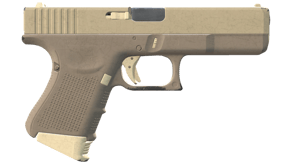
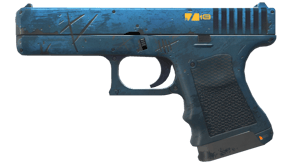
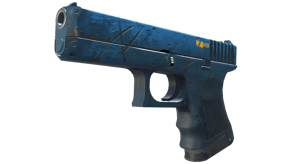
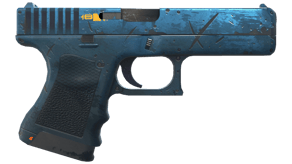






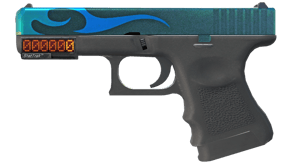
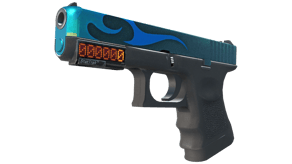
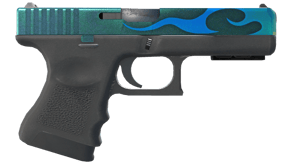
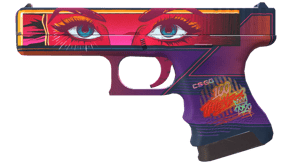
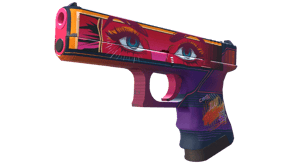
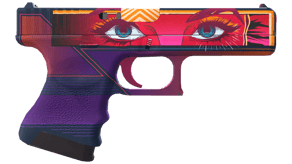
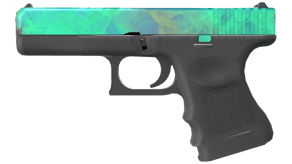
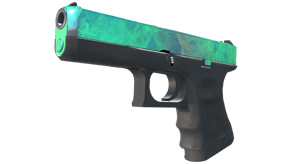
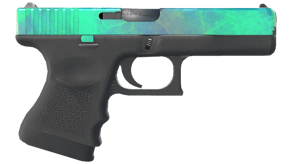
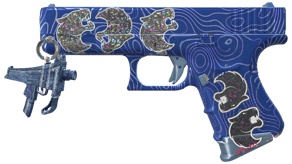
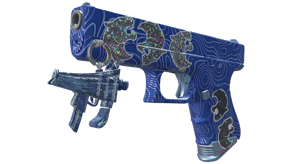
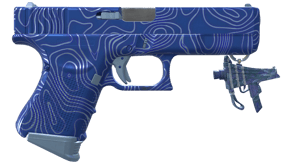
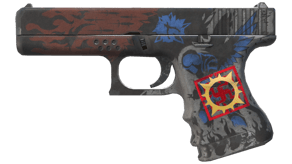
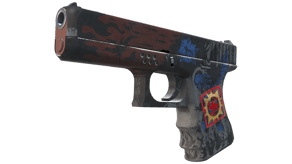
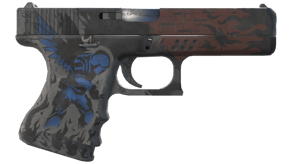
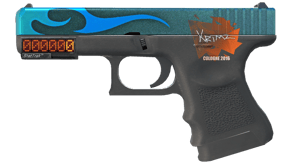
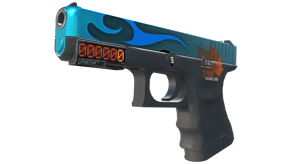
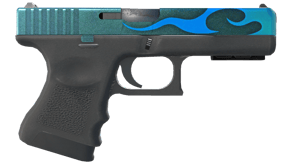


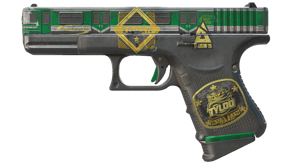
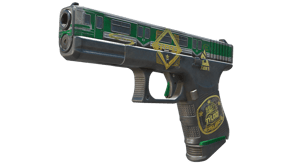
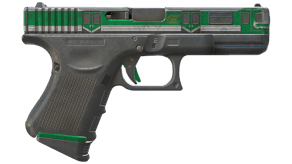
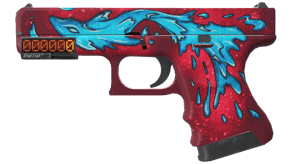
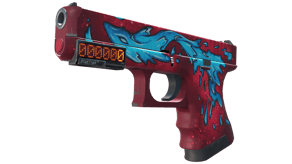
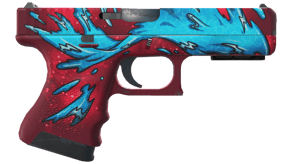
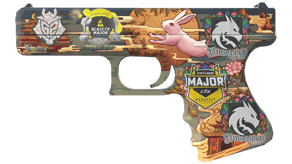

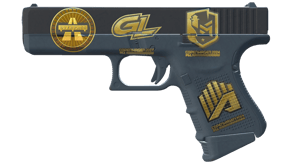
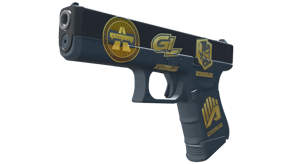
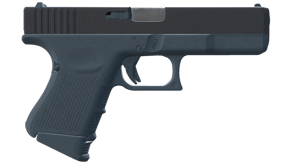
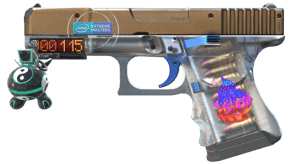
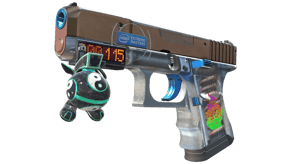
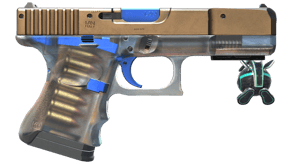

Glock-18 | Block-18 in Field-Tested (FT) is a pistol made of plastic bricks, with the studs on the grip already touched by wear. This wear takes floats from 0.15 to 0.38. It is Restricted rank and belongs to The Kilowatt Collection, and the Glock drops from the Kilowatt Case.
The finish is assembled from toy bricks. The brickwork is white and light gray, and the color comes from individual bricks: blue, red, yellow and dark gray. The top of the slide has smooth tiles, while on the grip and the front of the frame the bricks are raised, with studs. Valve describes the finish as a weapon divided into colored blocks.
The word "GLOCK" reads on the dark tile of the slide, with small numerals beside it. There is no single picture: the finish rests on the brickwork itself and on the colored inserts.
The studs stand proud of everything else and give way first. In Field-Tested that means the plastic on the grip and the frame is already scuffed, while the wide white tiles on the slide still look even.
The finish is by Graff. The submission was titled "Block-18 (Mondrian)" and went up on the Steam Workshop on August 30, 2023. The name nods to Mondrian, the painter who worked in rectangles of primary colors.
The Glock-18 | Block-18 appeared on February 6, 2024, when The Kilowatt Collection was added to the game: Valve built the case from seventeen community works. Its number in Valve's catalog is 1167.
Before you take a Glock-18 | Block-18, look at these points:
The artwork on the Glock-18 | Block-18 is applied identically across the whole run. From 0.15 to 0.38 the scuffing builds up noticeably. That is 34% of the finish's scale, which breaks off at 0.67.
The other wears set against this one:
Well-Worn and Battle-Scarred sit close to Field-Tested, and the gap between them is small.
Among Restricted Glocks in this wear, the finish is the cheapest. Right above it is the Glock-18 | Umbral Rabbit, then the Glock-18 | Glockingbird, while Moonrise, Trace Lock and Weasel cost two to three times more. Franklin and Synth Leaf hold the top of the rank.
The pistol drops from the Kilowatt Case, and no other case has this finish.
The Glock-18 | Block-18 can be built through a trade-up, with ten skins of the rank below from the set going in. The Kilowatt Collection has five Restricted skins, so the chance is one in five. The skin itself feeds contracts for Classified: the M4A1-S | Black Lotus, the Zeus x27 | Olympus and the USP-S | Jawbreaker.
The Glock-18 | Block-18 has a StatTrak version. Souvenir copies of the finish turn up too, but no packages were released for it, as those were made only for the tournament map collections. Such copies are built through the Souvenir-O-Matic, which puts gold tournament stickers and a player autograph on an ordinary skin from your inventory.
The brick pattern is broken into small pieces, and a sticker falls apart into fragments together with the relief. The flattest areas are the wide white tiles on the side of the slide, and for a CS2 craft they are the main free space. The colored blocks pull the eye, so plain black and white stickers read better here than busy ones.
Buying the Glock-18 | Block-18 here, in Field-Tested, is worth it under these conditions:
The lower wears cost five to eight percent more, so they bring no saving.