


Dla każdego, kto spojrzał na swój inventory i pomyślał "czekaj, czy to jest teraz warte więcej?" Pytanie, które skiny CS2 wkrótce wzrosną, tak naprawdę nigdy nie znika. Nie wszystko docenia — jest to pięć konkretnych kategorii: rzadkie skrzynki, skiny agentów, przedmioty ze starych kolekcji, kapsuły sticker i skiny souvenir, które po aktualizacji z maja 2026 r. otrzymały zupełnie nową mechanikę. Kapitalizacja rynkowa CS2 przekroczyła 5,5 miliarda dolarów — rok temu wynosiła niecałe 3,4 miliarda dolarów. Za tym wzrostem kryje się jasna logika, a kiedy ją zrozumiesz, znacznie łatwiej będzie Ci stwierdzić, co warto kupić, a co pominąć.
Dlaczego ceny niektórych skinów rosną, a innych nie?
Rynek skór działa na prostej zasadzie: ceny rosną tam, gdzie podaż się zmniejsza, podczas gdy popyt utrzymuje się na stałym poziomie lub rośnie. Valve kontroluje równowagę poprzez system upuszczania. Niektóre skrzynki trafiają do graczy co tydzień; inni upadają tysiąc razy rzadziej. To właśnie ta druga kategoria, która stopniowo znika z rynku, a każdy, kto trzyma jedną z tych walizek przez rok lub dwa, często stwierdza, że jej cena wzrosła dwukrotnie. Ale sama rzadkość nie wyjaśnia każdego skoku cen w CS2.
Aktualizacje silnika zmieniają rzeczywisty wygląd przedmiotów. Valve wprowadza nową mechanikę trading. Streamerzy mający ogromną widownię otwierają w transmisji rzadkie skrzynki, fizycznie niszcząc podaż z rynku. Jesienią 2025 r. jedna aktualizacja cen noży tankowanych z dnia na dzień — spadła o 80% w ciągu dwóch dni. Następnie w maju 2026 r. inna aktualizacja natychmiast podniosła ceny całej klasy produktów, które przez lata uważano za śmieci. Rynek reaguje na wszystko i właśnie dlatego zrozumienie mechaniki jest ważniejsze niż gonienie za pojedynczą skórką.
Oto kluczowe czynniki decydujące o tym, czy cena CS2 skiny wzrośnie, czy pozostanie na tym samym poziomie:
| Czynnik | Jak to wpływa na cenę | Prawdziwy przykład |
|---|---|---|
| Upuść rzadkość | Podaż kurczy się szybciej niż popyt | Etui na rękawiczki: 5 USD → 9 USD rocznie |
| Limitowane wydanie | Nigdy nie są dodawane żadne nowe kopie | skiny agentów: 63 stałe modele |
| CS2 aktualizacja silnika | Przedmiot wygląda inaczej – lepiej lub gorzej | AWP chromatyczny: 2 USD → 25 USD |
| Decyzje Valve | Nowa mechanika zmienia podaż i popyt | Souvenir trade-up, maj 2026 r |
| Skoordynowane wykupy | Wykupywanie podaży zacieśnia rynek | EG Sztokholm 2021 Holo: <$1 → 300 $+ |
| Transmisje przedstawiające rzadkie przypadki | Masowe otwarcia fizycznie wycofują skrzynki z rynku | Operacja Bravo po streamach związanych z Megalodonem |
Pojedynczy czynnik rzadko sam wpływa na cenę. Zwykle jest to kilka przyczyn na raz. Ktokolwiek dostrzeże te pokrywające się elementy przed wszystkimi innymi, zazwyczaj wyprzedza innych – szczególnie w kategoriach, w których wzrost cen jest na początku dość przewidywalny.
Które kategorie skór najprawdopodobniej wzrosną?
Rzadkie przypadki — dlaczego stara sprawa kosztuje więcej niż nowa?
Valve dzieli sprawy na dwie pule. Zwykła pula nagród składa się ze skrzynek, które wypadają graczom co tydzień w miarę zdobywania PD. Rzadka pula dropów obejmuje wszystko inne, a szanse są tysiąc razy niższe. To właśnie stąd bierze się prawdziwy powód wzrostu cen starszych etui. Podaż maleje z dnia na dzień: ktoś otwiera skrzynkę i towar znika z rynku na dobre. Żadne nowe kopie nie są ponownie dodawane.
Etui Glove Case jest wyraźnym przykładem: jego cena wzrosła z 5 do 9 dolarów w ciągu roku, prawie się podwajając. Jest to przypadek znany już od lat — nie jest tak rzadki jak Operacja Bravo czy oryginalna sprawa z bronią, ale mimo to trend utrzymuje się na stałym poziomie. Im mniej skrzynek pozostanie w obiegu, tym trudniej będzie przelicytować pozostałą podaż. Jest to historia powolna, a nie szybka zmiana – ale daj jej rok lub dwa, a rynek niezawodnie zacznie wyceniać niedobór.
Sprawy o największym potencjale wzrostu w tej chwili:
Etui na rękawiczki – w ciągu ostatniego roku wzrosły już około dwukrotnie, a podaż stale się kurczy.
Spectrum Case / Spectrum 2 Case – część rzadkiej puli zrzutów, stale wspinająca się.
Sprawa Operacji Bravo – jeden z najstarszych przypadków, który stał się jeszcze rzadszy po falach masowych otwierających się strumieni.
Pakiet Brukowiec – ograniczona podaż, duży popyt kolekcjonerski.
Kupowanie takich skrzynek jest zasadniczo postawieniem na samą mechanikę niedoboru. Nowi gracze wchodzą do CS2, chcą złamać coś rzadkiego i od razu natrafiają na rosnące ceny. Dlatego też ta kategoria ma tendencję do wspinania się niemal niezależnie od wszystkiego, co dzieje się w grze.
skiny agentów — dlaczego nagle skoczyły 10 razy?
skiny agentów w CS2 to zupełnie osobna historia. Każde dotychczasowe wydanie było limitowane i od lat nie dodano żadnych nowych modeli. Rezultatem jest stała pula 63 modeli, których podaż stale spada. Rynek potrzebował trochę czasu, zanim się przyjął, ale gdy już to nastąpiło, argument za wzrostem cen przestał być prognozą i stał się faktem.
Podręcznikowy skok nastąpił latem 2025 r. Agenci, którzy przez lata handlowali za 1–2 dolary, nagle podskoczyli do 50 dolarów i więcej. W całej kategorii wzrost w latach 2024–2025 wahał się od 50% do 300% depending on the model. Sir Bloody Miami Darryl | The Professionals is a concrete example: about a year and a pół roku temu cena wynosiła około 85 dolarów i od tego czasu cena rośnie. Logika jest tu jeszcze bardziej rygorystyczna niż w przypadku rzadkich przypadków: teoretycznie sprawa może pewnego dnia zostać ponownie dodana do puli zrzutów. Valve nigdy nie wypuściło nowego agenta — i nic nie wskazuje na to, aby miało się to zmienić.
Dopóki do puli nie dołączą nowi agenci, a baza graczy będzie rosła, rosnące ceny skinów agentów są w zasadzie tylko arytmetyką. Stała podaż plus rosnący popyt równa się wyższym cenom. Jedynym otwartym pytaniem jest, jak szybko.
Stare kolekcje — przedmioty, które nigdy więcej nie będą istnieć
Nie każdy skin pochodzi z case ów. Niektóre pochodzą z kolekcji — zestawów powiązanych z konkretnymi mapami lub operacjami. Gdy kolekcja opuści aktywną pulę zrzutów, jej zasoby zostaną zamrożone. Stamtąd już podróż w jedną stronę w dół. Każda transakcja, każde utracone konto, każdy przedmiot zrzucony poniżej wartości rynkowej zmniejsza całą pulę. To tutaj wzrost cen staje się najbardziej przewidywalny – mechanika niedoboru po prostu nie ma wyjątków.
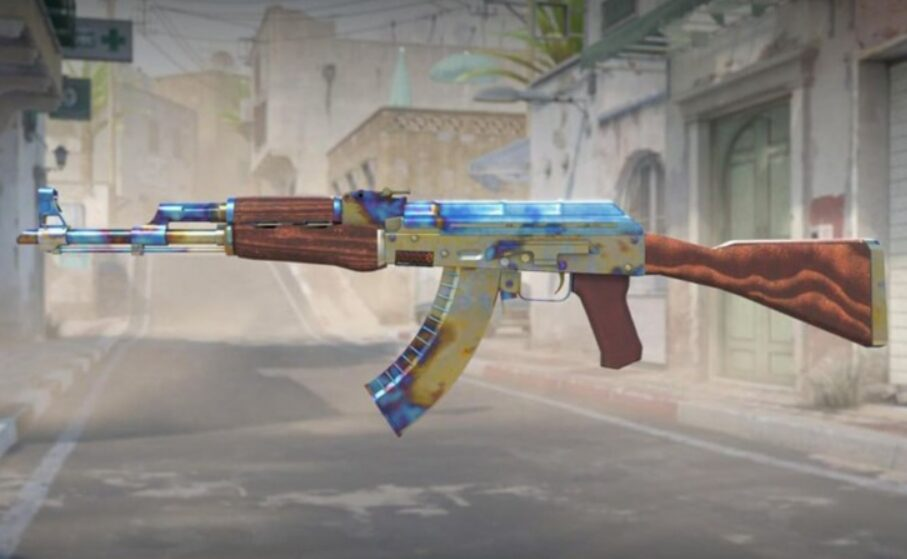
AK-47 | Case Hardened to jeden z przykładów: rzadkie pattern (niebieskie klejnoty) z tej kolekcji sprzedawane są w zupełnie innym przedziale cenowym niż zwykłe wersje, a różnica ta z czasem się powiększa. Kolekcja Norse to kolejny przykład: podaż stale maleje, podczas gdy popyt wśród kolekcjonerów pozostaje stały. Aberracja chromatyczna AWP opowiada zupełnie inną historię — taką, w której przejście na silnik CS2 dosłownie przewartościowało całą klasę skinów.
| skin / Kolekcja | Upuść stan | Trend cenowy |
|---|---|---|
| AK-47 | Case Hardened (blue gem pattern) | Nie w aktywnym spadku | Rośnie — rzadkie pattern stale zyskują na wartości |
| Kolekcja nordycka | Już nie w spadku | Stopniowy wzrost w wyniku malejącej podaży |
| Aberracja chromatyczna AWP | Ograniczony spadek | Wzrost z 2 USD do 25 USD po CS2 wyłączeniu silnika |
Aberracja chromatyczna AWP to przypadek podręcznikowy. Po wyłączeniu silnika skóra w nowym oświetleniu zaczęła wyglądać zupełnie inaczej. Ktokolwiek trzymał go za 2 dolary, ma teraz przedmiot za 25 dolarów. Nie można było tego przewidzieć z góry — ale przypadki takie jak ten dowodzą, że za starymi kolekcjami mogą kryć się nieoczekiwane możliwości rozwoju, a skoki cen nie zawsze mają oczywistą przyczynę.
Sticker Kapsułki — najbardziej nieprzewidywalne produkty na rynku
Stickerz poprzednich turniejów nie może zostać ponownie wystawiony. To sprawia, że są to zasadniczo różne rodzaje przedmiotów: po zakończeniu Majora zapasy zostają zamknięte na zawsze. Właśnie dlatego ceny kapsuł sticker ze starych turniejów stale rosną — jest to niemal arytmetyczne, nawet jeśli po drodze występuje duża zmienność.
Evil Geniuses Stockholm 2021 Holo jest najbardziej uderzającym ostatnim przykładem. Cena sticker, która przez lata była notowana za mniej niż dolara, przekroczyła 300 dolarów w ciągu kilku tygodni 2025 r. (dane Hotspawn, wrzesień 2025 r.). Częścią tego wzrostu był popyt organiczny, a częścią skoordynowane wykupy dokonywane przez grupy traderów. Ale dla każdego, kto trzymał kapsułki, wynik wyglądał tak samo w obu przypadkach. Titan (Holo) Katowice 2014 to skrajny przypadek tej samej logiki: nałożony na skina może zwiększyć jej wartość o ponad 150 000 dolarów. To zupełnie inna liga, ale podstawowa mechanika jest identyczna.
Oznacza, że sticker ma potencjał wzrostu na przyszłych turniejach:
Wykończenie holo/foliowe – wizualnie bardziej wyróżnia się na silniku CS2, a popyt przewyższa zwykłe wersje.
Zespoły z niespodziewanymi seriami – jeśli słabszy zawodnik zajdzie głęboko w turnieju Major, jego sticker może wzrosnąć zaraz po eliminacji.
Stare, nieotwarte kapsułki – im mniej pozostaje w obiegu, tym wyższa jest cena indywidualna sticker.
Synergia z popularnymi skórkami – sticker, który świetnie wygląda na konkretnej broni, sam w sobie podnosi cenę tej kombinacji.
Ryzyko w tym przypadku również jest realne: niektóre z tych skoków wynikają raczej z manipulacji niż z popytu organicznego. Odróżnienie tych dwóch opcji nie jest łatwe, co sprawia, że jest to kategoria charakteryzująca się zarówno wysokimi zaletami, jak i wysokim ryzykiem w tym samym czasie.
Souvenir skiny po aktualizacji z maja 2026 r. — wszystko zmieniło się z dnia na dzień
22 maja 2026 r. wydano aktualizację IEM Cologne 2026, która zasadniczo przekształciła rynek przedmiotów souvenir. Po raz pierwszy w historii CS, skiny souvenir stały się dostępne w trade-up contracts. Wcześniej były one bezużyteczne: można je było kupić, można było je sprzedać, ale tak naprawdę nie można było z nimi nic zrobić. Niskie poziomy souvenir zostały wymienione na grosze, ponieważ nie było z nimi nic innego do roboty.
Teraz mogą kosztować trade-up contracts — and rising prices on souvenir collections became an obvious fact the very day the update landed. MP5-SD | Oxide Oasis (FT) is a concrete example: the skin had sat arokoło 10–20 dolarów przez lata, a po aktualizacji jego cena w ciągu nocy wzrosła do około 150 dolarów, wraz z gwałtownym wzrostem wolumenu trading. To nie był odosobniony przypadek — ten sam pattern miał miejsce w każdej kolekcji zawierającej cenne skiny Covert.
Jeden ważny szczegół: użycie przedmiotu souvenir w trade-up usuwa wszystkie jego atrybuty souvenir — złoty zespół stickers i znacznik Souvenir znikają, a wynikiem jest zwykły przedmiot o jeden poziom wyżej, bez statusu souvenir. Zatem souvenirs przewożące cenne złoto stickersą teraz dostępne w dwóch całkowicie odrębnych poziomach cenowych.
| Przedmiot | Cena przed aktualizacją | Cena po | Zmiana |
|---|---|---|---|
| MP5-SD | Oxide Oasis (FT) | ~10–20 dolarów | ~150 dolarów | ~x8–10 |
| Niskopoziomowe souvenir z kolekcji Covert | 1–5 dolarów | Znaczący wzrost | Różni się w zależności od kolekcji |
Co więcej, aktualizacja wprowadziła mechanikę Souvenir-O-Matic: każdą zwykłą skina można teraz zamienić w souvenir podczas turnieju głównego, wybierając konkretny mecz i gracza. To wywróciło do góry nogami całą gospodarkę otaczającą aktywne duże turnieje. Rozsądnie jest oczekiwać, że ceny kolekcji zawierających drogie Covert przedmioty będą nadal rosły — szczególnie te, w których stosunek przedmiotów niskiego i wysokiego poziomu będzie dobrze równy przez trade-ups.
Co jeszcze oprócz rzadkości powoduje wzrost cen?
Rzadkość występowania ma znaczenie, ale nie zawsze daje pełny obraz. Ceny rosną również z innych powodów — określone przedmioty mogą niezależnie posiadać dodatkowe cechy, które są cenione przez rynek, czasami wypychając cenę znacznie powyżej stawki podstawowej.
Float value jest pierwszym. Im niższa wartość zużycia, tym wyższa cena. W przypadku skinów Covert ta zależność jest szczególnie stroma: Factory New z niskim float może zostać sprzedany kilka razy drożej niż dokładnie ta sama skin z nieco wyższym float. Pattern to następna warstwa wyżej: an AK-47 | Case Hardened with a blue gem pattern versus one without is zasadniczo dwa różne zasoby. Historia przedmiotu też ma znaczenie: jeśli skin przeszła przez inventory znanego profesjonalnego gracza lub pojawiła się w głównym strumieniu, dodaje to symbolicznej wartości, którą rynek rzeczywiście odzwierciedla w cenie. Dlatego też niektóre skoki cen nie mają prostego, fundamentalnego wyjaśnienia — czasami jest to po prostu historia powiązana z konkretnym produktem.
Kiedy skiny tracą wartość — ryzyko, o którym warto wiedzieć
Szczera rozmowa o tym rynku musi uwzględniać tę część. Październik 2025 jest wyraźnym przykładem: Valve zaktualizował mechanikę trade-up dla noży, a ceny spadły o około 80% w ciągu dwóch dni. Każdy, kto trzymał noże w ramach inwestycji, z dnia na dzień stracił ogromną część wartości.
To nie jedyny scenariusz. Liczba nowych przypadków często spada w ciągu pierwszych kilku dni po zwolnieniu, po prostu z powodu nadpodaży. Niektóre sticker skoki cen wynikają ze skoordynowanej manipulacji, która może zakończyć się równie szybko, jak się pojawiła. W przeszłości rynek odbił się od tych wstrząsów, ale harmonogram nigdy nie jest przewidywalny. Zrozumienie, dlaczego ceny rosną, jest tak samo ważne, jak zrozumienie, kiedy i dlaczego mogą spaść.
Kluczowe ryzyka według kategorii:
Noże – narażone na zmiany w mechanice trade-up (potwierdził to przypadek z października 2025 r.).
Nowe przypadki – często spadek w ciągu pierwszych 2–4 tygodni po zwolnieniu z powodu nadpodaży.
Sztucznie pompowany stickers – lotny i może szybko przywrócić rzeczywistą wartość.
Przegrzane skiny agentów – po ostrym skoku może nastąpić korekta, zanim cena się ustabilizuje.
Dywersyfikacja zmniejsza ryzyko poniesienia straty. Traderzy, którzy podzielili swoje pozycje na wiele kategorii, poradzili sobie z pojedynczymi krachami bez większych strat. Warto pamiętać o jeszcze jednej rzeczy: długoterminowy wzrost cen to trend, a nie gwarancja. Ceny mogą się zmienić z powodu pojedynczej łatki i warto to wziąć pod uwagę.
Rynek CS2 wzrósł z 3,4 miliarda dolarów do 5,5 miliarda dolarów w ciągu roku — i nie ma jeszcze prawdziwego powodu sądzić, że wzrost spowalnia. Kategorie, które najprawdopodobniej będą nadal rosły, to: rzadkie skrzynie z puli nagród o niskim kursie, skiny agentów ze stałą pulą 63 modeli, przedmioty ze starych kolekcji poza aktywnym dropem, kapsuły sticker z poprzednich Majorów oraz skiny souvenir, które zyskały prawdziwą użyteczność po aktualizacji z 22 maja 2026 roku.
Jeśli chodzi o ustalenie, które skiny CS2 warto obejrzeć, warto pamiętać: to jest analiza rynku, a nie porada inwestycyjna. Ceny skinów mogą rosnąć i spadać, czasami z powodu jednej decyzji Valve. Jednak leżąca u podstaw mechanika niedoboru napędzająca ten rynek nigdzie się nie wybiera, dopóki CS2 ma graczy.
