


In Rust, visuals stopped being a minor detail a long time ago. For some, they’re a way to highlight their character’s personality; for others, a status symbol everyone on the server can see. It’s no surprise the most expensive skins in Rust today can cost more than real cars or designer clothes. They don’t affect gameplay at all—they’re just a “picture” on an item. But that “picture” becomes an object of collection—and sometimes a real investment asset. Some see a beautiful facemask or a rare gun pattern; others treat it as a digital asset they can hold and resell.
Why are Rust skins so expensive in the first place?
It all comes down to a mix of scarcity and the desire to stand out. A skin becomes part of a player’s identity—the more unique the item, the stronger the sense of individuality. Limited runs add urgency: if there are few copies, every owner feels they’ve got something exclusive. Prices are also shaped by platforms like the Steam Marketplace and third-party services, where supply and demand create a real economy. That’s why the expensive skins in Rust have stopped being mere “decor”—they’ve turned into a fully fledged market with rules not unlike those of real-world collectibles and investments.
Which are the most expensive Rust skins at the top of the list?
The community has its own “pantheon” of rarities, each with its own story.
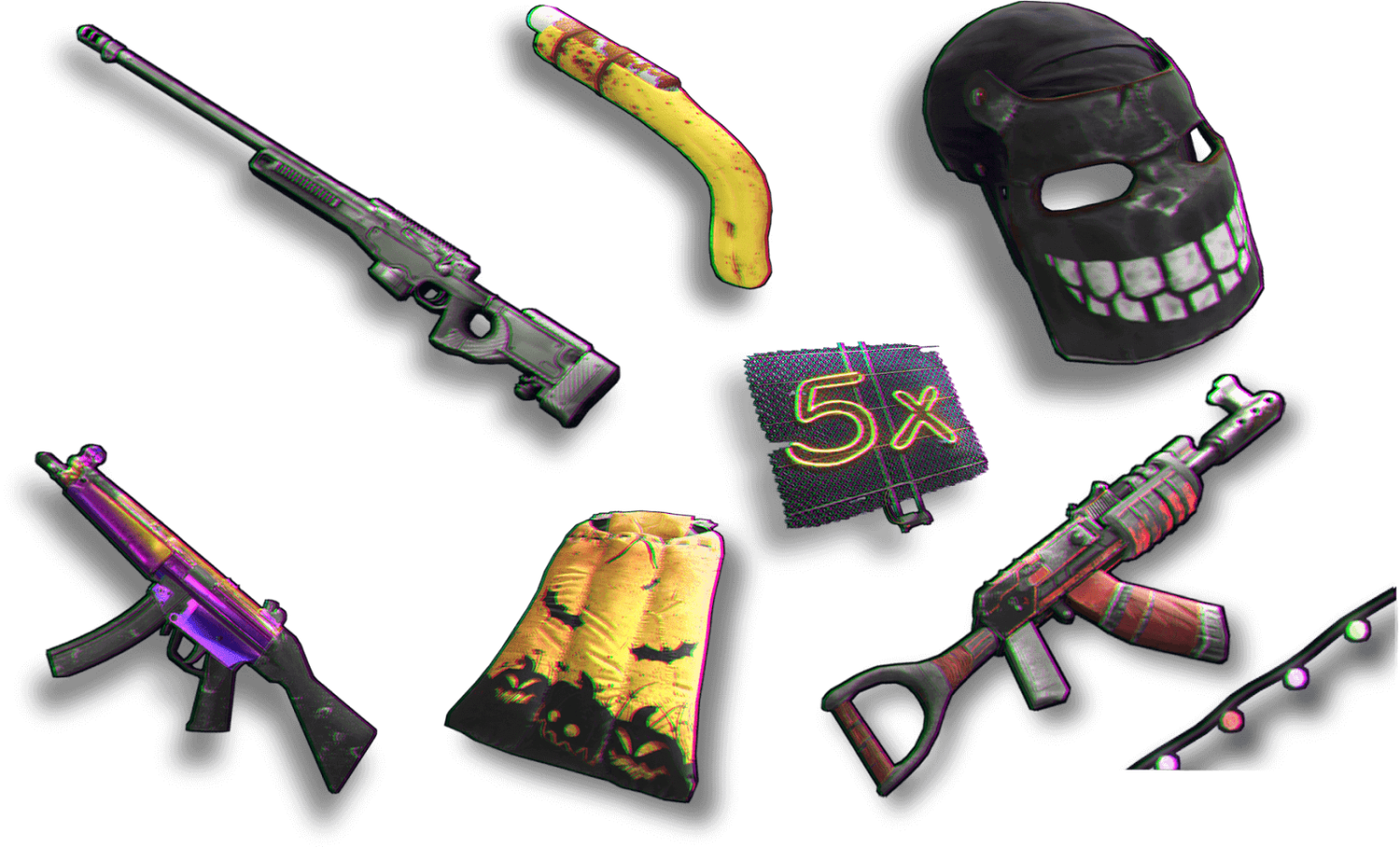
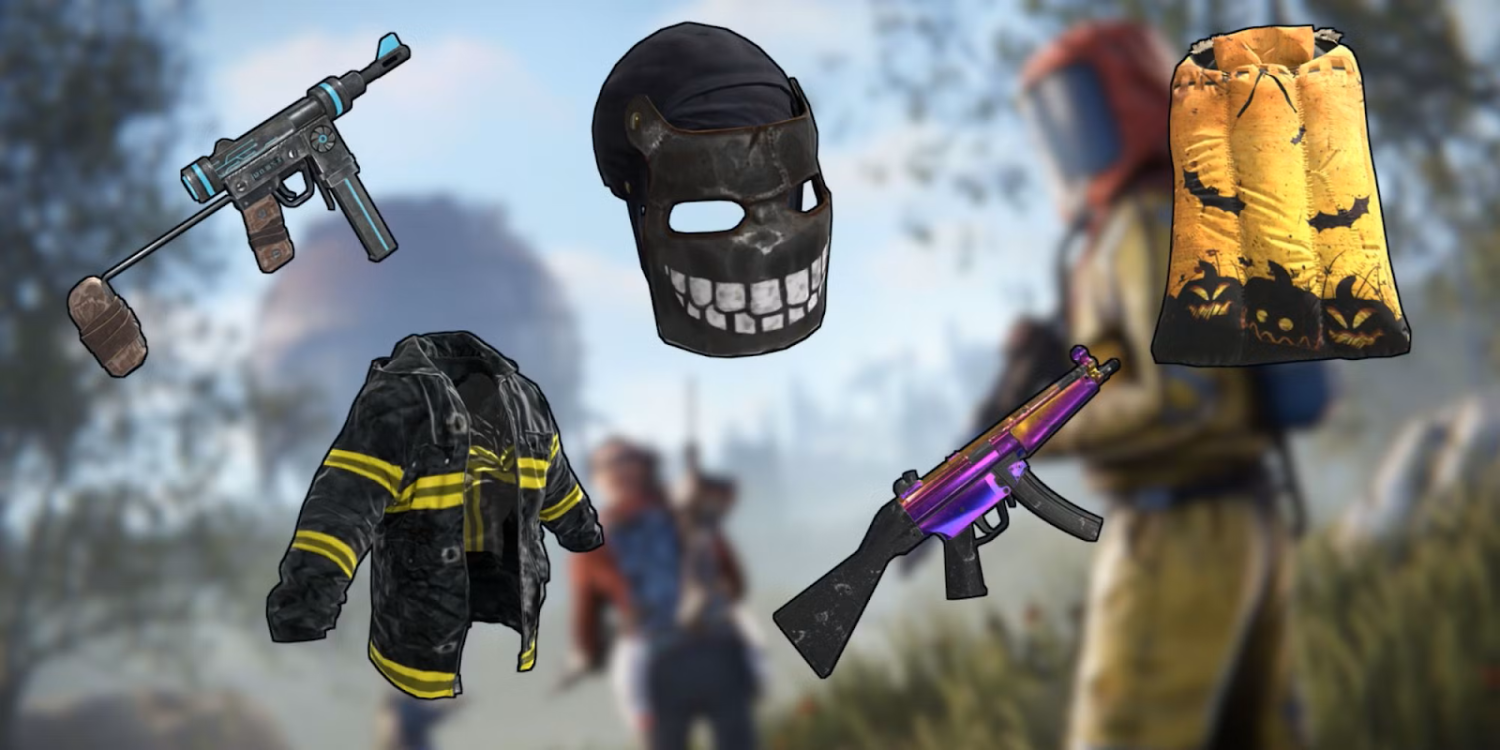
Big Grin Metal Facemask — an iconic facemask
Big Grin traces back to the early days of Rust customization. It earned cult status thanks to its aggressive design, and its rarity turned it into a collectors’ symbol. On the market it’s considered one of the most valuable items, and players call it a true Rust “icon.” In fact, this skin is the one most often cited among the most expensive skins.
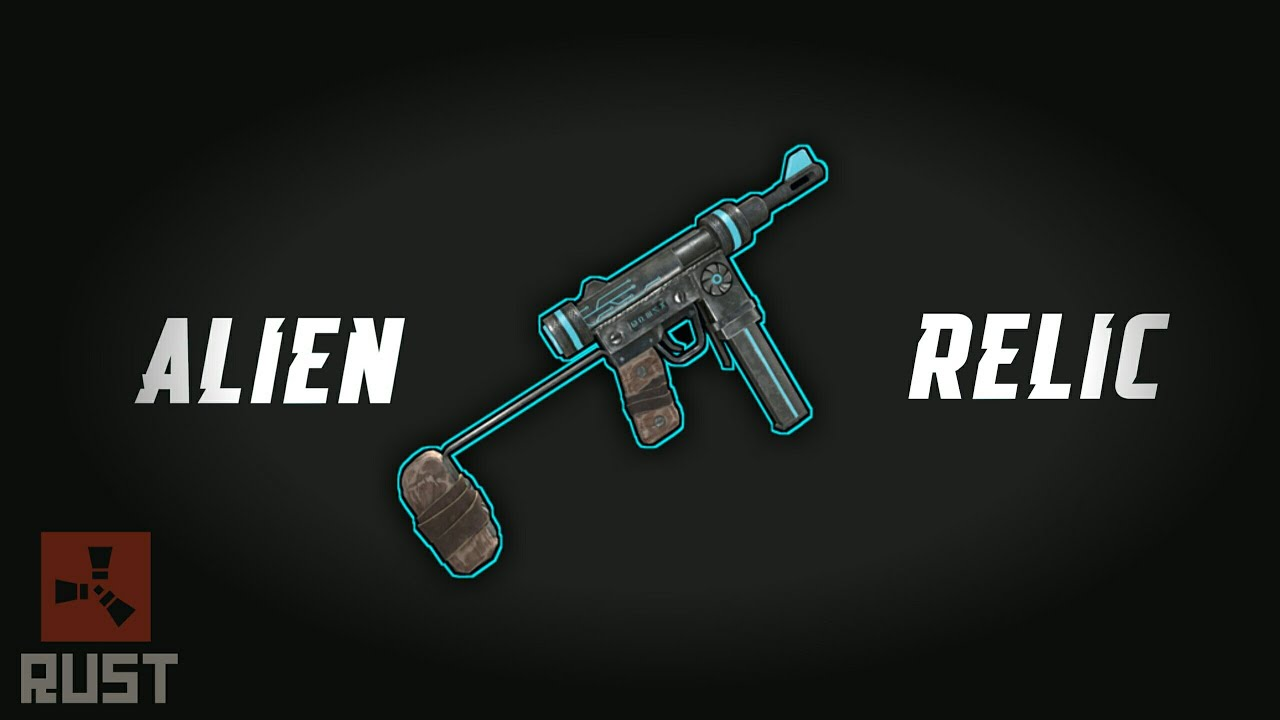
Alien Relic SMG — a weapon from another world
Very few copies of the Alien Relic SMG exist, and its design is instantly recognizable. It’s no wonder trades involving this item become community news. Players often debate whether this deserves the title of “the most expensive skin in Rust,” or whether that crown still belongs to Big Grin.
Tempered AK-47 — a weapon with history
The AK-47 has always been a symbol of power in Rust, and the Tempered version quickly became a classic. Since release its price has climbed steadily—proof that truly iconic items rarely lose value.
Fire Jacket — legendary apparel
It’s not just weapons that can be expensive. A limited run turned the Fire Jacket into a must-have for collectors. It started out inexpensive but has since become a pricey rarity.
Other top contenders
You can add Glory AK-47, Dragon Rock Door, Tempered Mask, and several other signature items to this list. Prices fluctuate, but all of them sit in the informal top of expensive Rust skins and are actively traded by collectors.
Key factors that make Rust skins the most expensive
Skin | Rarity (number of copies) | Uniqueness of design | Community recognition | Reason for high price |
Big Grin Facemask | Extremely low | Aggressive, iconic facemask | Rust symbol, often cited on streams | “Icon” status and collectors’ emblem |
Alien Relic SMG | Minimal number of copies | Sci-fi styling | Discussed as Big Grin’s main alternative | Scarcity + hype-driven trades |
Tempered AK-47 | Medium rarity | Iridescent, heat-tempered metal look | Associated with Rust’s iconic rifle | Proven, steady price growth |
Fire Jacket | Limited run | Bright, highly recognizable apparel | Seen as a “legend” among collectors | Turned into a cult wardrobe piece |
Glory AK-47, etc. | Varies by item | Striking, distinctive details | Appear in every ranking | Sustained collector interest |
This table shows that high prices are driven by a combination of factors. Rarity and copy count matter, but so do recognition and community associations. A skin can be expensive not only because it’s limited, but because it became a symbol of the game. That blend of uniqueness and cultural weight is what turns them into Rust market “legends.”
What’s the most expensive Rust skin right now?
The Rust community has long debated which item truly deserves the top spot. The title most often goes to the Big Grin Metal Facemask—a heavy facemask with a menacing grin that’s become an unmistakable symbol of the game. Its value comes not only from rarity but from its role in community culture: it shows up in trailers, fan art, and often sits at the heart of collections. This is a case where a skin stopped being mere cosmetics and became a cultural artifact.
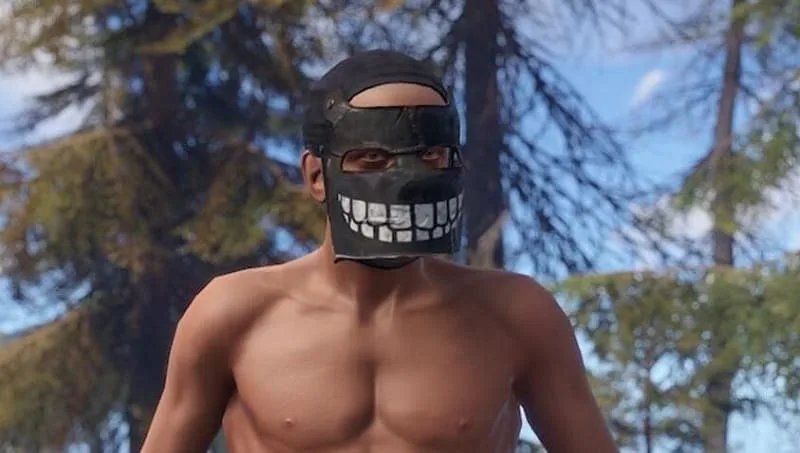
It’s important to note that “most expensive” isn’t a fixed title—it shifts. Rare Alien Relic SMG sales can push it ahead for a while, and new collectors or streamer hype can temporarily change the balance. Still, if you ask seasoned players what the most expensive skin in Rust is, most will point to Big Grin—its iconic status is backed by a decade of appreciation and real trades.
Where to track prices—and what moves them?
Players who want a realistic picture of pricing trends use several sources. The obvious one is the Steam Marketplace, where official transactions are recorded. But experienced traders know that’s only part of the market. A huge volume of deals happens on third-party sites and through direct collector-to-collector trades.
To understand what the most expensive skin in Rust is at any given moment, you need to factor in multiple data sources. The easiest way is via LIS-SKINS, where you can see price histories and item scarcity. You can literally track how a cheap item turned into a market legend over time.
Key factors that influence prices include:
Scarcity—the fewer copies exist, the higher collectors’ interest.
Market sentiment—player activity and hype around a specific item directly affect price.
History and recognition—items with a “legend” (like Big Grin) command premiums even if similarly rare skins exist.
External events—streamer shout-outs, new collections, and Rust’s overall popularity can spur demand spikes.
This checklist helps players understand why prices swing and make smarter buying decisions. In the end, the skin market works almost like a stock exchange: the outlook matters as much as the current number.
Why do skin prices keep rising?
Rust’s market hasn’t been “just a hobby” for a long time—it’s a real in-game economy. Prices rise because of limited supply and constant demand. Developers release items in limited runs and don’t reissue them, so every copy becomes part of history.
The community plays a huge role, too. Streamers and YouTubers turn skins into cultural symbols: a single showcase of a rare item can send its price soaring. Collectors amplify this by buying to resell later, generating extra hype.
Here are the main reasons expensive Rust skins don’t get cheaper:
Limited supply: older items no longer drop, while demand remains.
Growing visibility: Rust keeps expanding on Twitch and YouTube, bringing in new players.
Collectible status: skins are seen less as cosmetics and more as artifacts, comparable to rare real-world items.
All signs point to continued growth as long as interest in the game and its culture stays strong. Players view skins not just as decoration but as a way to express themselves. That’s why high-end Rust items have become status symbols—and that’s unlikely to change any time soon.
Are skins a viable investment?
The community moved beyond “collecting for looks” a while ago. In Rust, skins function like a kind of currency: people buy them, hold them for years, and sell when the price peaks. The market works like an exchange where rare items stand in for stocks and demand is set by players like you and me. Those who bought into cult skins like Big Grin or Fire Jacket early have seen returns many never expected.
But treating this purely as easy money would be a mistake. This niche has its own rules, and not every item turns into a “golden ticket.” Prices can rise—or fall—if interest in the game or a specific skin wanes. It’s a highly specific market where community sentiment can matter as much as actual rarity.
Players usually look at things like:
how rare the item is and whether its price is likely to climb;
the skin’s story—does it have cult status or has it been largely forgotten;
whether there’s steady collector demand for it;
how active the game is and whether interest on Twitch/YouTube stays high.
In short, investing in Rust skins is a lot like collecting coins or art. Timing matters—both when you buy and when you sell. For some, it’s a risky game; for others, a long-term strategy that turns pixels into real profit.
What drives collectors?
At first glance, it’s odd that people pay huge sums for digital facemasks or jackets. Look deeper, and it’s the same motivation as in traditional art collecting. A skin signals status, marks you as part of an elite group of players, and lets you express yourself.
Some collectors want to own what most others don’t. Others enjoy the investment angle and watching prices climb over the years. And some simply love the hunt for rare pieces—it’s like tracking down artifacts.
Psychologically, a few key drivers stand out:
a desire to stand out and showcase uniqueness in-game;
a wish to own a “piece of history,” since every rare skin ties back to a phase of Rust;
the thrill of hunting rarities and landing great deals;
belief that today’s purchase will pay off down the road.
So a Rust collector isn’t just someone with a fat inventory. It’s someone who uses virtual items to express style, status, and a personal connection to the game—no different, really, from people who collect rare stamps or wine in the real world.
What does the future hold for high-end Rust skins?
Forecasting the Rust market is tricky, but some trends are already clear. First, each new game update rekindles interest in older items. When new collections arrive, attention also swings back to past releases—especially the ones tied to Rust’s evolution. That creates extra demand for established classics.
Second, Rust remains popular, which means the playerbase keeps growing. New players want to learn the game—and stand out. That’s why demand for rare skins doesn’t fade. As the audience grows, so does the pool of potential buyers, which directly impacts price.
Factors shaping the future of the high-end Rust skin market
Factor | Impact on older skins | Impact on new skins | Overall market effect |
New updates | Renew interest in forgotten pieces | Create potential new “record holders” | Higher player activity |
Audience growth | Boosts demand for classics | Intensifies competition for rarities | Steady price appreciation |
Limited runs | Strengthen legendary status | Fuel hype around new releases | Keeps prices elevated |
Cultural significance | Turns items into “pieces of history” | Can emerge over time | Builds collectible value |
Streamer influence | Sustains interest in market icons | Can cause rapid price spikes | Short-term hype waves |
This breakdown makes it clear that Rust prices are shaped by a combination of factors. Old legends like Big Grin or Alien Relic SMG will keep gaining value thanks to their history, while new items can break into the top quickly if they capture the community’s attention. The result is a market that increasingly resembles real-world collecting—where value is set by time and cultural context.
What should you know about this market?
Rust skins stopped being “just cosmetics” a long time ago. Expensive Rust skins form a whole ecosystem where rarity and collector interest set prices. The most coveted remain the Big Grin Metal Facemask, Alien Relic SMG, and a handful of other cult items. Their value grows not because of stats, but because of uniqueness and cultural significance within the community.
