


Any match in CS2 is not just about shooting, but also calculation. The economy dictates how much money a player receives for a kill, planting the bomb, or losing a round. This determines whether they can buy weapons, armor, and grenades. One mistake in the buy round — and in the next round the team can find itself without proper equipment, losing on all fronts. This is especially critical at a 14:14 score, when every mistake can cost victory.
That's precisely why how the CS2 economy works is one of the most important questions for anyone who wants to improve at the game. Even if a team is strong in shooting, wrong buys, poor timing, and lack of grenades can negate all efforts. Understanding the economy allows players to adapt to different situations: when to force buy, when to save, when to go eco. This is especially important in matchmaking, where there's no captain and you have to act on intuition and experience.
The economy is the foundation without which it's impossible to build a successful long-term strategy. The ability to manage money in-game shapes the mindset of a true pro-level player. This is what distinguishes a novice from an experienced teammate who can pull through a tough series not through luck, but through smart decisions.
How is Money Awarded at the Start and During the Game?
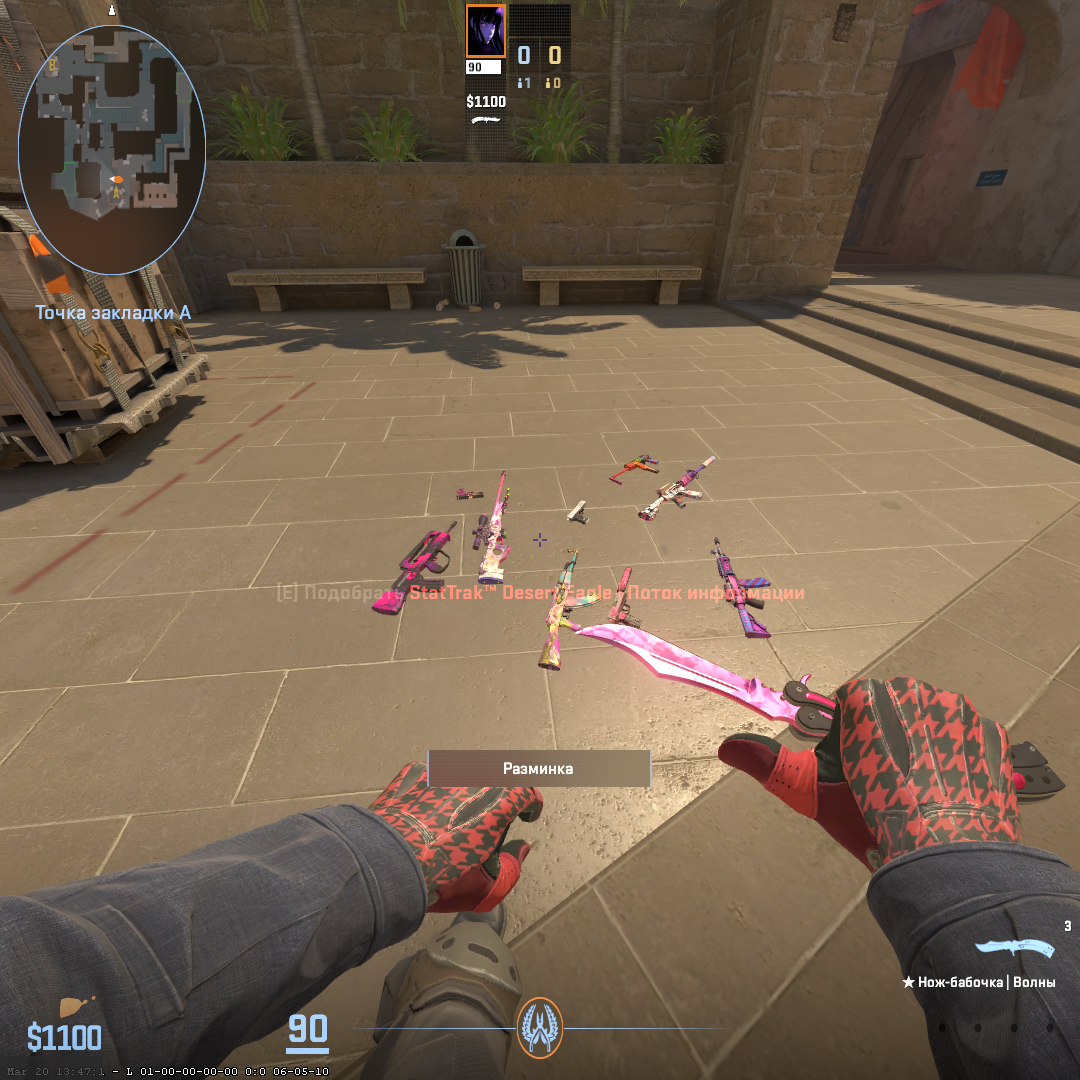
It all starts with $800 for each player. This is the classic pistol round. Then the reward system kicks in. Players receive money for:
winning a round (usually $3250);
losing a round ($1400 to $3400 — depends on the streak);
planting or defusing the bomb ($300);
killing an enemy ($100 to $1500 — depends on the weapon).
It's worth noting that different weapons give different rewards for frags. This creates additional depth in weapon choice. A player can consciously take not the most powerful weapon, but one that will bring more income for kills — especially in opening or eco rounds. This directly affects how the in-game economy develops and how confidently the team reaches full-buy.
Weapon | Kill Reward ($) |
AWP | 100 |
M4A4 / AK-47 | 300 |
MP9 / MAC-10 | 600 |
Nova / XM1014 | 900 |
Knife | 1500 |
Understanding these numbers helps calculate buys and make them as effective as possible. This is especially important when playing defense, where the arsenal cost is higher and every purchase needs to be controlled.
What is Loss Bonus and How Does it Affect the Game?
The loss bonus mechanic is one of the key elements. After losing one round, the team receives $1400. If losses continue in a row, the amount increases to $1900, $2400, $2900, and the maximum — $3400. This is designed to prevent completely destroying a team's economy and give them a chance to come back. Such a system helps balance the match and prevents it from turning into a one-sided beatdown after a couple of unsuccessful rounds.
Importantly, winning resets the bonus counter. Therefore, even an accidental victory in a bad round can harm the economy by breaking the compensation streak. High-level teams sometimes consciously throw such rounds to avoid disrupting their buy logic. It's paradoxical, but sometimes it's better to lose now to win later. These nuances are exactly what form the understanding of how the CS2 economy works.
How Do Players and Teams Manage Their Finances?
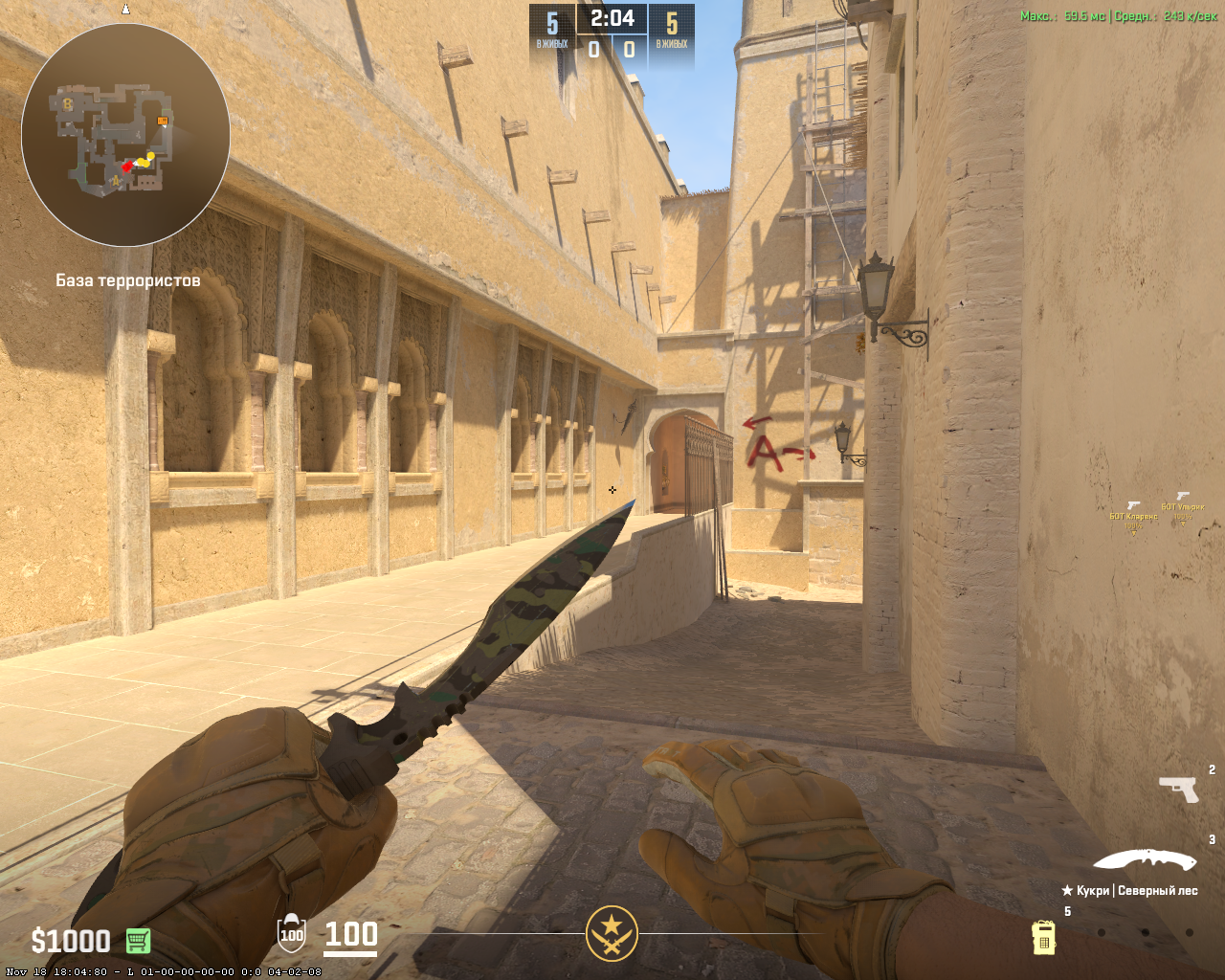
In CS2, the economy works on two levels: personal and team. Each player has their own balance, but decisions must be made synchronously. If one person buys an AWP while the rest are on eco — this destabilizes the game. Teams usually stick to a common strategy:
Full-buy: complete equipment, including grenades, armor, and weapons;
Half-buy: purchasing cheap pistols and a small amount of utility;
Force-buy: buying with all money after a loss, counting on turning the round around;
Eco: complete refusal to buy in order to save for the next round.
These buy types are used even in pro play, and they shape the rhythm of the entire game. Successful economy is also about discipline. A player must think not only about themselves but also about team balance, acting in sync.
Why is it Harder to Manage Economy on Defense?
The defending side in CS2 more often suffers from economic pressure. The reason is a more expensive arsenal: the M4A4 costs around $2900, while the attacking side can use the AK-47 for $2700. Already at this stage, an imbalance is evident: the defending team has to spend more money under equal conditions to ensure competitive shooting. Additionally, the cost of grenades and equipment is also higher — defense almost always needs defuse kits ($400), which are additional expenses.
Another reason why defense is harder — the need to hold multiple positions on the map. This requires distribution of forces and resources, including weapons and grenades. When one position is lost, compensating for the loss is more difficult, and the next round's buy is often incomplete. Therefore, defending teams more often resort to saving tactics to minimize losses. Losing an M4A4 without a frag is not the same as losing a cheap Galil. Every death on defense costs more, especially considering that defense doesn't have an equivalent cheap and powerful alternative to the AK-47. Because of these factors, defense more often finds itself in economic crisis and requires greater expense control. That's why players and captains pay special attention to buy planning and resource distribution specifically on the defensive side.
How Does Saved Weaponry Affect Further Strategy?
If a player survives with a weapon until the end of a round without winning it, they don't receive money but keep their inventory. This is often used as a way to economize. For example, when losing 2:7, it's more beneficial for the team to save an AWP than try to use it in a hopeless situation. This approach helps level out the buy for the next round and maintain balance.
It's also important to consider that losing a weapon after time expires is the worst-case scenario. The player receives no money at all, which is critical with a limited budget. Saved weaponry can be salvation for the team in the next round — especially if it's an AWP or M4A1-S. Therefore, saving isn't weakness, but part of strategy.
How is Economy Built on the Pro Scene?
Professional teams build economy 3-4 rounds ahead. At this level, every dollar matters, and that's precisely why the captain or coach is usually responsible for calculations. They calculate not only the current player balance but also possible match development scenarios: how much money will be available after a potential loss, whether there will be enough for an AWP in the needed round, whether to save or force buy right now.
Coaches and captains calculate:
when to eco;
when to force buy;
when to give up a round for economy preservation;
For example, Team Vitality is known for consciously losing a round to strengthen for the next one. This may seem strange to a beginner, but in reality such decisions are based on experience, discipline, and a clear understanding of how the CS2 economy works. Sometimes one "given" round allows winning three consecutive ones — thanks to a strong buy, full utility, and proper timing.
Economy is the battlefield in the shadows. On the surface — shooting and frags, but behind the scenes no less intense battles for balance unfold. Knowing when it's better to lose than win, when it's better to save two AKs than go for a retake — this distinguishes a pro team from a regular one. Economy on the pro scene is a constant balance between risk and calculation, where the winner isn't the one who shoots faster, but the one who understands the essence of the game more deeply.
What Mistakes Do Beginners Most Often Make?
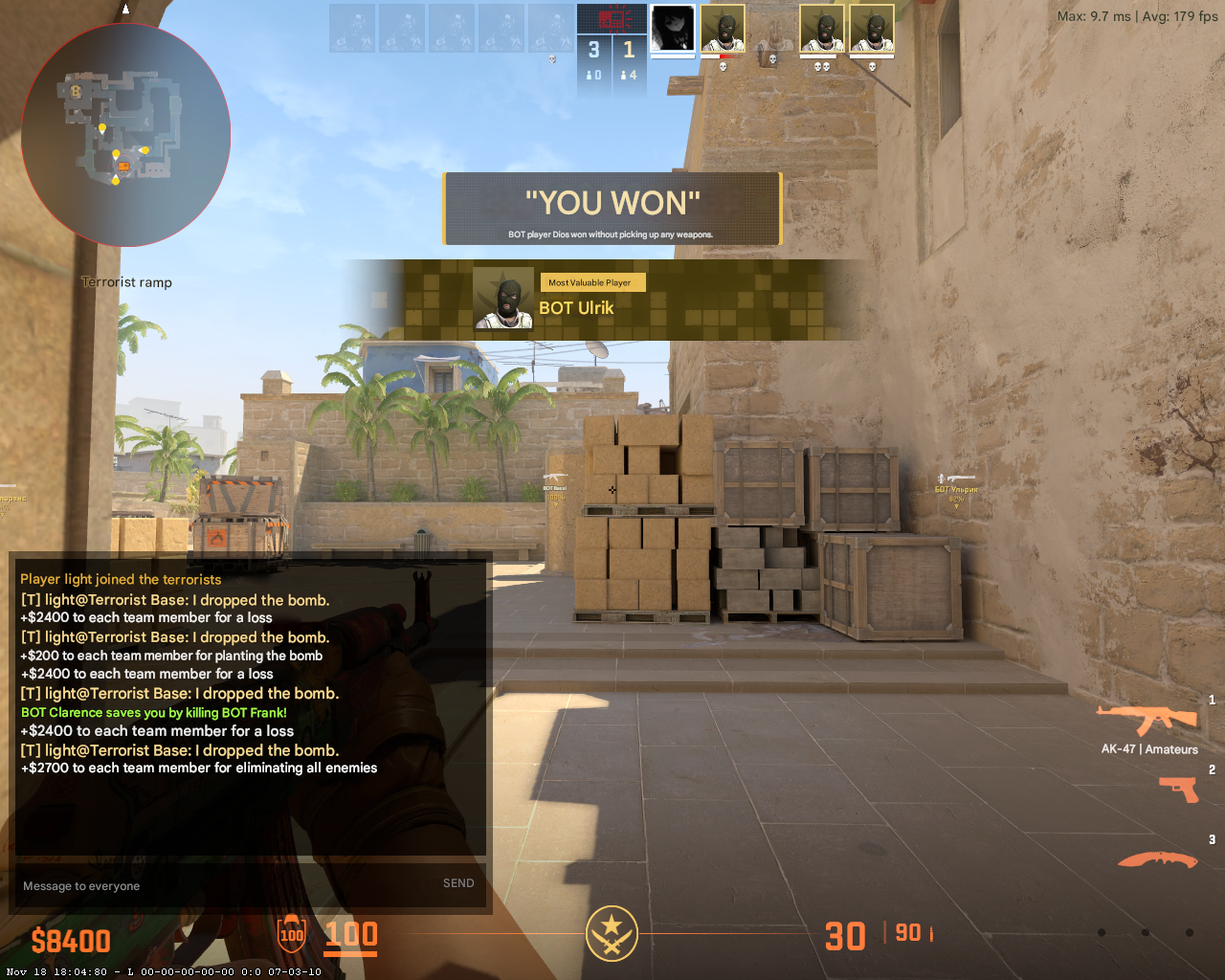
One typical mistake is "desync" of buys. When one player does a full-buy while the rest eco, team tempo is lost. Another error is unnecessary force-buying. Often it's better to endure one round than risk everything. Also common is misunderstanding the role of grenades — many save on them without realizing their tactical value.
To avoid these mistakes, you need to consider the team's overall state and remember how the CS2 economy works — not just look at your own balance. Only through experience comes the skill to balance between personal ambitions and team discipline. Accounting for economy is no less important than aim.
How to Train Economy Understanding?
The best way is analyzing demo replays and streams of professional matches. Pay attention to buy moments, force buys, saves. Tools like Skybox or Leetify help visualize economy in real-time. Gradually the player begins to feel when and how to buy. This transitions to an intuition level but is always based on understanding basic principles. Additionally, you can train economy against bots: deliberately lose rounds and watch how the bonus works, or plan buys for a series of rounds.
It's also useful to track other players' behavior on skin and analytics sites. On the LIS-SKINS platform, you can not only buy and sell skins but also observe current price dynamics, which helps better understand the market, economic value of items, and the importance of rational inventory management.
Strategy Matters More Than Shooting
Economy is the foundation of team play. Even the best shooting won't help if the team doesn't have money for weapons and utilities. Therefore, in every match it's important to track balance and think a couple steps ahead. These skills are what allow winning in the long run and building stable progress in competitive play.
CS2 has changed, but the financial laws within it have remained logical and clear. And whoever masters them gains a decisive advantage even before the firefight begins. Understanding economy is a tool with which you can win even against more accurate opponents. Because in CS2, not only those who shoot better win, but also those who count better.
