


You can get skins in Dota 2 for free or for money. The free routes are event rewards, trades with friends and giveaways; the paid ones are treasures and buying the exact item on a marketplace. The last option is the most predictable: many items cost under a dollar, so putting together a set for your favorite hero usually takes a couple of dollars, and skins you no longer need can be sold on LIS-SKINS for real money.
Skins can transform familiar heroes, sometimes radically. Look at the default Pudge, and then at the same hero in the Butcher’s Wake set.
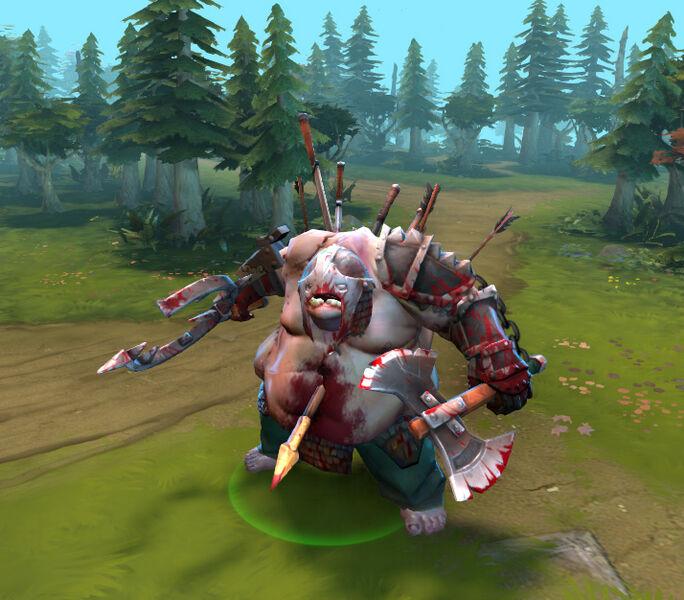
Rare items can change a hero's usual look so much that a newcomer may not even recognize who they are facing or what to expect.
A quick look at skin rarity
All items in Dota 2 fall into several rarity tiers:
Common (light blue): the most widespread and cheapest items;
Uncommon (blue): a rarer tier;
Rare (dark blue): relatively rare items;
Mythical (purple): often change a hero's look more noticeably, sometimes including ability effects;
Legendary (pink): rare items that can change icons, animations and effects;
Ancient (red): very rare items, today obtained mostly through trades and the marketplace;
Immortal (gold): valued above Ancient and usually handed out through events and treasures. A standout from the courier line is the Platinum Baby Roshan, which costs around $3,000;
Arcana (green): among the most valuable items, they completely change a hero's appearance, animations and effects.
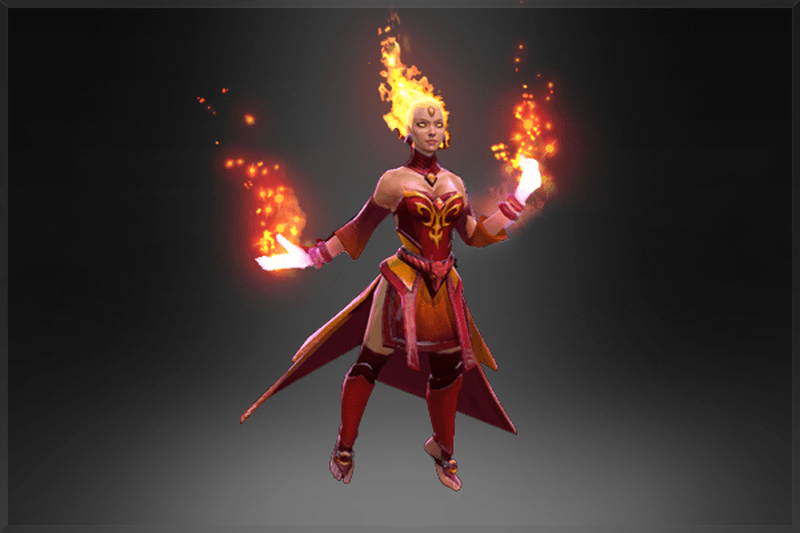
The rarest and priciest examples are collected in our lists of the rarest Dota 2 skins and the most expensive skins in Dota 2. Now on to the main part of the guide.
Current ways to get skins in Dota 2
Sooner or later every hero's default look gets old. You have seen Axe, Huskar and Tiny from every angle, learned their animations and abilities, and you want some variety. A new set can completely change how a hero looks and add a couple of new animations along the way.
There are several ways to get such items cheaply or even for free:
Post-match drops. Items used to drop at random after games regardless of whether you won or lost, as long as you did not abandon the match. Today these drops play almost no role, and you could never choose what you got anyway.
Treasures. A route based entirely on luck. Landing a valuable set is possible, but most of the contents are usually cheap, and the treasures themselves cost money.
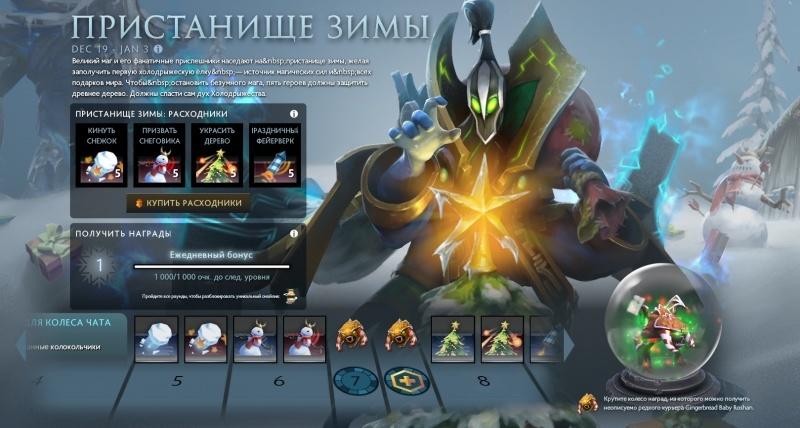
Events. From time to time Dota 2 runs events such as Frostivus, where taking part can earn you interesting rewards. They are infrequent, so building a top set this way is hard.
Gifts and trades with friends. If a friend has an item for your Invoker, Warlock or Viper, you can get it through a trade. How to do that is covered in how to gift a skin in Dota 2.
Giveaways by streamers and fan communities. A free route where luck and game knowledge matter: quizzes and giveaways of items or full sets. Only enter giveaways run by official, verified organizers, and never enter your Steam credentials on third-party sites.
Buying skins on a marketplace
The paid options are even more straightforward. The obvious way to get a specific item is to buy it on a marketplace, either Steam or LIS-SKINS, and it does not have to be expensive. The example below shows Axe items on the marketplace, and the price spread is clear right away.

There are very expensive items too, such as the $1,400 helmet in the screenshot, and on LIS-SKINS the Genuine Axe of Phractos currently costs around $580. Only a few players are interested in items like that.

What the marketplace always offers is the missing pieces when you need to complete a set. Most ordinary items cost under a dollar: individual parts of Pudge's Butcher’s Wake set, for example, go for 10 cents to a dollar, so refreshing a hero's look takes a couple of dollars. That is why buying usually beats opening treasures: you get the exact item right away and know what you are paying, instead of paying for a chance. Before you buy, compare the price on Steam and on LIS-SKINS, and double-check which hero and slot the item is for. Paying a few cents more for the right piece is better than ending up with an item you will never equip. Sets that recently arrived in the game are covered in our roundup of new Dota 2 skins.
What to do with skins you don't need
Over years of play, an inventory fills up with unneeded items, treasures and other things that feel wasteful to delete but are hard to sell. If you want to get rid of them at a good price, use LIS-SKINS.
You can sell your skins for real money at any time. It takes a few simple steps:
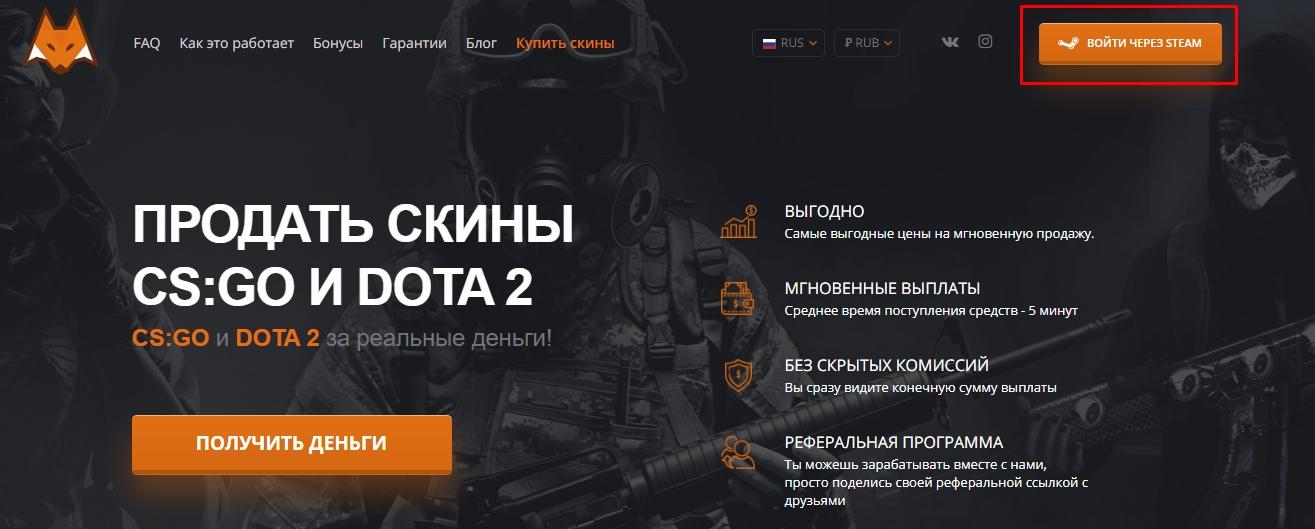
Go to LIS-SKINS and sign in with your Steam account.
Then enter your trade URL. You can find it in Steam on the trade offer privacy page (Inventory, Trade Offers, "Who can send me Trade Offers?").
Your account needs the Steam Guard Mobile Authenticator enabled and a clean history with no bans or trade restrictions. Otherwise a warning will appear and trading will be unavailable.
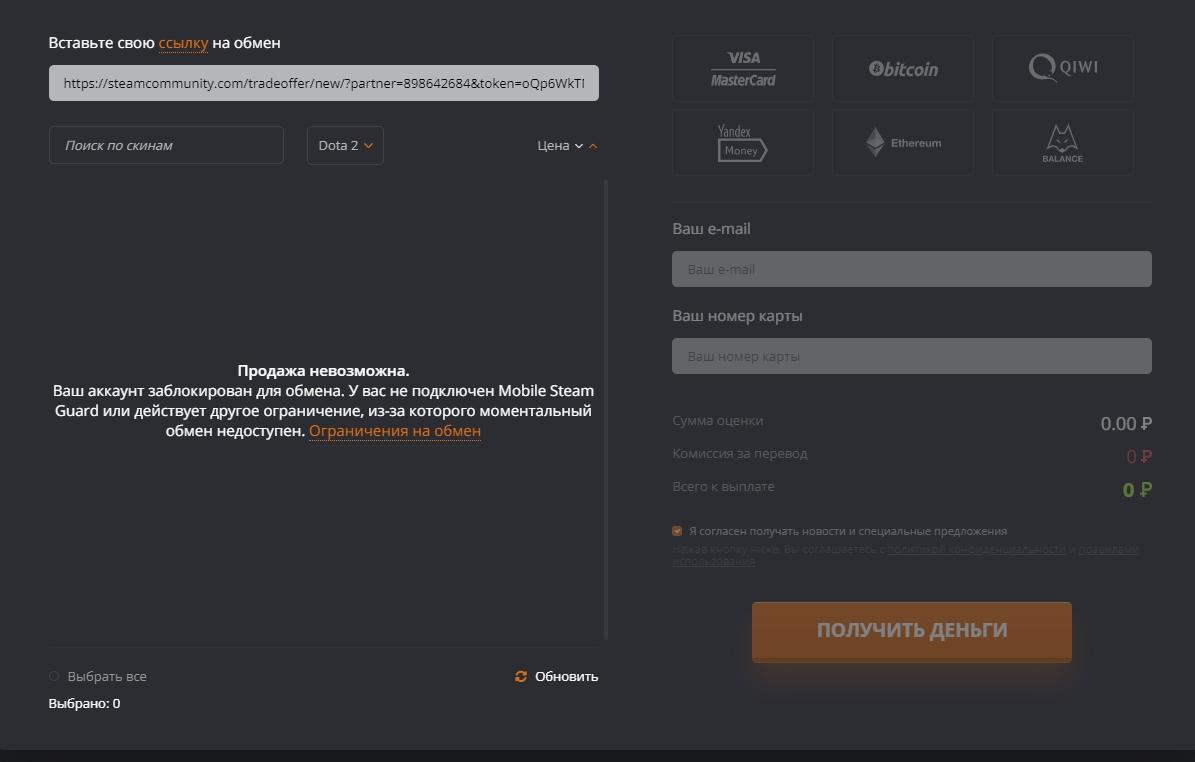
If everything is in order, select the items you don't need and sell them. On the right, choose your preferred payout method, enter the payout details and your email.
LIS-SKINS works transparently: the final amount, fees and related costs are shown up front. The amount that will reach your account is highlighted in green.
It is a convenient way to turn old items into real money that arrives quickly. For players who lack the time to list items for sale, or whose items are not in high demand, it is a sensible way to turn pixels into cash.
