


Every CT round in CS2 opens with the same decision: your starting pistol. At first glance the difference looks purely cosmetic, but experienced players know P2000 vs USP-S is a question of playstyle, not comfort. Both pistols deal the same damage and cost the same, $200 each, so the choice comes down to magazine size, recoil behavior and the silencer. Both rank among the best pistols in CS2; below are their exact in-game stats and who each one suits.
USP-S and P2000 stats
Damage is the first thing newcomers ask about, and it is simple: both deal 35 to the body and 140 to the head thanks to the x4 multiplier. The gap shows only against armored targets — armor penetration is 50.5% on both, so a helmeted headshot is cut to about 70, and two head hits are needed instead of one. Damage is identical at any range, so the choice is not built on it.
Ammo matters more. The P2000 carries 13 rounds in the magazine and 52 in reserve, while the USP-S is limited to 12 in the mag and just 24 in reserve. On the pistol round and on force-buys that is a real gap: with the P2000 you can afford a miss and down several enemies in a row, while a USP-S owner has to save every shot.
Recoil and accuracy is where the two split most. The USP-S has a more predictable, vertical recoil pattern, and its first shot from a static position lands tighter. The P2000, in turn, is steadier on the move — its running spread is smaller, which helps when you swing angles quickly.
Fire rate is identical at 352 rounds per minute, so there is no felt difference in pace. The kill reward is the same too, $300 per frag. Penetration through cover is low on both, so wallbanging is ineffective either way.
Key differences between USP-S and P2000
Rather than recalculate the numbers each time, it helps to put the comparison in one table. It collects the parameters that actually affect play.

| Stat | P2000 | USP-S |
|---|---|---|
| Price | $200 | $200 |
| Damage (body / head) | 35 / 140 | 35 / 140 |
| Armor penetration | 50.5% | 50.5% |
| Magazine / reserve | 13 / 52 | 12 / 24 |
| Fire rate | 352 rpm | 352 rpm |
| Silencer | No | Yes |
| Kill reward | $300 | $300 |
The choice even shows up in the pro scene. dev1ce, rain and karrigan have at various times spoken for the P2000 and its larger ammo pool, while players who value precise long-range shooting lean toward the USP-S with its silencer. There is no single standard among pros precisely because the pistols are so close, and personal comfort decides.
The skin lineups differ too. The USP-S has around 45 finishes, including Coverts like Kill Confirmed and Printstream — the full range is in the USP-S skins guide. The P2000 has noticeably fewer, around 36, topped by its single Covert, Fire Elemental; the P2000 skins roundup helps you pick one for your loadout. That wider choice of designs is part of why the USP-S shows up more often in streams and clips.
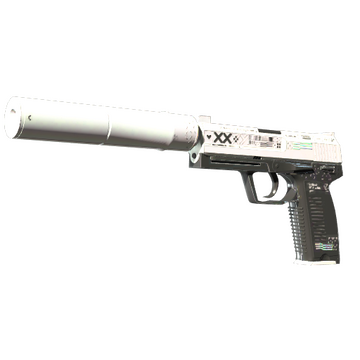
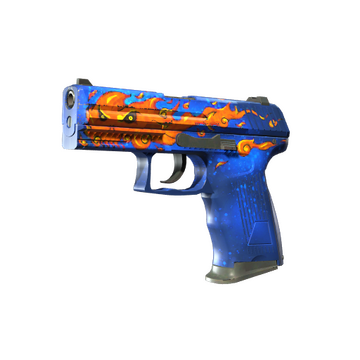
Choosing between USP-S and P2000
There is no clean answer to whether the USP-S is better than the P2000 — on raw numbers the pistols are equal, and the stats say more about player habits than about one gun being superior. If the round calls for holding a long angle, a quiet spot by smoke or finishing from range, the USP-S makes more sense: the silencer hides tracers and the shot sound, and the more controlled recoil makes fast double taps to the head easier. If you expect aggressive play, a push onto the enemy position or a drawn-out fight against several targets, the P2000 larger magazine gives you room for error.
Players new to pistol rounds are usually told to start with the P2000 — it forgives misses and gives you time to get used to aiming under pressure. Approach the choice through practice: try both across a few maps. Swapping the pistol in your loadout costs nothing, so the experiment is free, and the difference in feel is usually clear within a few rounds.
Whatever you land on, both pistols are part of a loadout that is fun to customize. On LIS-SKINS you can pick skins for the P2000 and the USP-S at any budget, from cheap Mil-Spec finishes to rare Covert designs. Live prices and the full range are on the item pages, and a purchase takes a couple of minutes thanks to instant trades.
