


In short, the CS2 skin market is alive and remains one of the largest in-game item markets, but it has become noticeably more volatile than it was in the CS:GO days. Over the past year, two Valve decisions shook it the most: Trade Protection (July 2025) and knife and glove crafting through trade-up contracts (October 2025). After a sharp correction, prices have stabilized, and demand has shifted toward bright skins, rare cases and Covert items.
Below we look at how the market works today, what drives prices, how the move from CS:GO to CS2 changed it (early forecasts are in what will happen to the skin market after the CS2 update), and whether it makes sense to enter the market now.
How Is the CS Skin Market Structured Today?
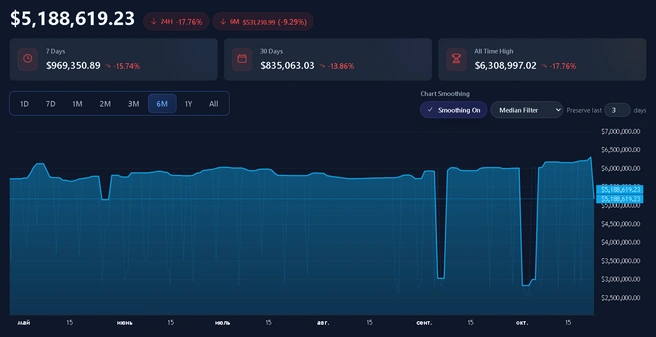
To understand how the CS skin market functions, you need to look at several levels at once: the official Steam marketplace, third-party marketplaces and trading within the community. Valve lets players buy and sell items on the Steam Community Market, but with limits: Steam Wallet funds cannot be withdrawn as cash, and about 15% of each sale goes to fees (5% Steam plus 10% for CS2). That makes the Steam market less flexible, though safe and stable. Marketplaces such as LIS-SKINS let you sell a skin and withdraw real money.
Average daily CS2 turnover on the Steam marketplace is measured in millions of dollars, and popular cases and stickers change hands hundreds of times a day. That shows the scale and constant activity of the CS2 market on Steam despite the high fee.
What Affects Skin Prices in CS2?
Skin pricing is an ecosystem of its own. Several factors matter at once:
Item rarity (Mil-Spec, Restricted, Classified, Covert).
Skin condition (float value).
Applied stickers.
Weapon popularity in the meta.
Collection history: whether it still drops or has been retired.
Trends: visual crafts, collections built around colors, themes or memes.
Valve decisions: new collections and changes to trading and trade-up rules.
For example, after CS2 launched, many players switched to the AWP | Chromatic Aberration because it looks striking with the new graphics. Its price went from a couple of dollars to about $70 in Factory New, and demand has held steady.
How Did CS2 Impact the Market Compared to CS:GO?
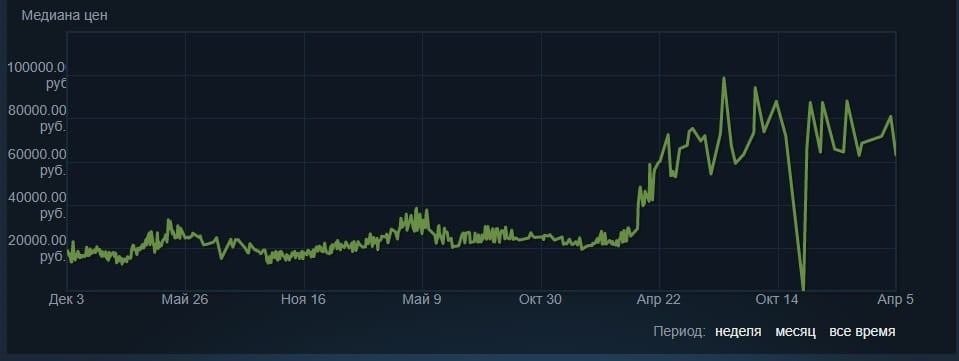
The move to the Source 2 engine and the launch of Counter-Strike 2 in September 2023 became a turning point for the whole in-game item economy. Within the first weeks the market turned unstable, and prices for many items went up. Player inventories carried over in full, but the way skins looked changed radically.
New graphics, reworked lighting and better textures changed the appearance of even familiar items. Some skins that looked dull in CS:GO came alive in CS2, especially those with bright neon shades or high contrast. That visual edge showed up in demand and prices right away and brought a new wave of interest from both veteran and new players.
The biggest changes hit collections that had long stayed in the shadows. Take the Prisma 2 collection: before CS2, the AK-47 | Phantom Disruptor in Factory New sold for about $3.50, and today it costs around $20 thanks to more vivid color rendering and the weapon's popularity. Skins with muted palettes went the other way, losing value because they look flatter on the updated maps.
Cases deserve special attention. Many older cases, such as the Clutch Case, Spectrum 2 and Glove Case, rose noticeably: the Glove Case now costs about $9 and Spectrum 2 about $3. They contain gloves, popular skins and patterns that look especially good on the new engine, so demand for them grew.
Here are the key changes from the CS:GO to CS2 transition that affected trading and how skins are perceived:
Higher visual value of popular skins. The new lighting made bright, high-contrast skins more attractive.
Growing interest in old cases. Items from the Clutch, Glove and Spectrum cases look especially good in the new graphics.
Fading interest in some collections. Skins with muted palettes and cases that still drop in large numbers (the Fracture and Snakebite cases cost under a dollar) lose ground against rare items.
A shift in crafts. Players began picking skins that work together visually, not just rare ones.
These changes show how much visuals matter in pricing. The CS2 skin market reacts to aesthetics and player sentiment, not only to rarity or meta value. The CS2 visual update did not act as a short-term shock but as a lasting shift in pricing logic.
Volume Growth: Charts and Activity
Comparing trading statistics before and after the move to CS2 shows how much activity grew. According to third-party analytics services, average daily Steam Market turnover and the number of active sellers rose noticeably after CS2 launched and stayed above CS:GO levels. Exact figures differ from service to service, so treat the overall trend as the signal, not any single number.
The CS2 skin market chart for 2023 to 2025 shows steady growth with a few sharp dips. The biggest came in October 2025, after Valve enabled knife and glove crafting: a contract of five Covert skins of one type now yields a random knife or pair of gloves from those skins' collections. Knife and glove supply grew and their prices dropped, while Covert skins became more sought after as contract inputs.
Another major 2025 change is Trade Protection. Since July, any CS2 trade can be reversed within 7 days, and received items are locked for that period. It protects against scammers but has slowed down reselling on Steam.
CS Skin Market Capitalization: Real Value
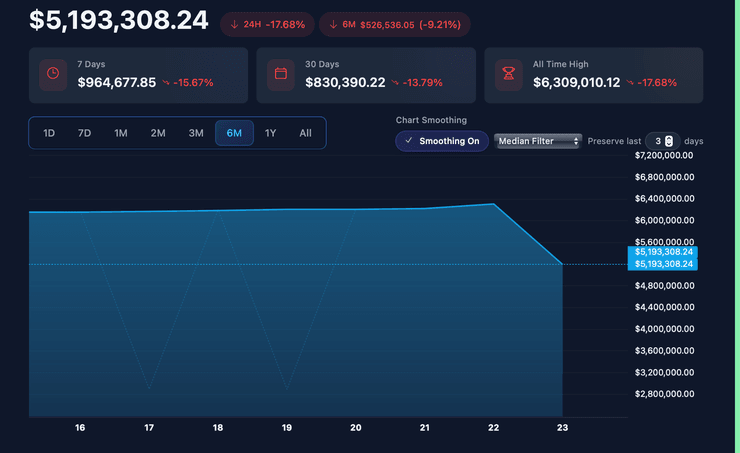
In 2025, in-game item capitalization stopped being an abstraction. Analyst estimates vary, but the total value of CS2 skins is measured in billions of dollars, even if it swung noticeably after the October 2025 correction.
The main driver is not only regular players buying skins for fun but a growing number of investors. They see skins not as decoration but as assets that can hold or even grow their value over time, and the rarest items have proven that approach more than once.
Several factors shape capitalization and determine how stable the CS skin market is as an investment environment:
Rarity and scarcity. Many skins and stickers will never drop again, for example stickers from Katowice 2014 or skins from the Bravo Case and the Cobblestone Collection.
History and collectible value. Items tied to specific tournaments, teams or meta periods carry historical significance.
Limited supply. Once a collection is retired, the number of copies is capped. Trade-ups are the exception: since October 2025 they add new knives and gloves to the supply.
Community recognition. Some items, like the AWP | Dragon Lore (about $11,500 in Factory New) or the M4A4 | Howl, have become iconic, and demand for them holds up even when overall activity slows.
Against this backdrop, investors increasingly treat CS items as an alternative asset. One example is the Titan (Holo) | Katowice 2014 sticker, currently listed on LIS-SKINS at about $71,500 and still one of the most expensive stickers in the game.
Capitalization is not built on legendary items alone. Daily turnover comes from mass trading in cases, stickers and mid-tier skins like the AK-47 | Redline (about $130 in Minimal Wear) or the USP-S | Cortex (about $25 in Factory New). These everyday trades keep overall volume and liquidity in the CS2 skin market.
So the skin market is no longer just in-game cosmetics but a full digital economy. It follows its own rules and reacts to trends and to Valve's decisions, which largely determine how its capitalization will move.
Where Do Beginners Most Often Make Mistakes?
Even though the CS skin market has become more open, many players keep making the same mistakes, especially beginners who are just learning how trading works. A skin can look great and still not be worth its price or be hard to resell, and with the market this volatile the risks are more tangible.
One of the main problems is rushing to buy a "trending" skin without understanding the details. Many players overpay heavily just because an item showed up in a popular streamer's video or rode a wave of hype. That is easy to avoid if you know which parameters to check before buying.
The most common mistakes inexperienced traders make in the CS2 skin market:
Buying at inflated prices during hype. It often happens after an update or a video from a big creator: prices spike briefly and then fall sharply.
Ignoring float. Many buyers do not check the exact value and overpay for a copy with a float at the edge of its wear tier, which looks worse than other copies with the same "Factory New" label.
Focusing only on looks. Without considering demand and liquidity, a skin can be hard to sell even if it looks great.
Buying cases without analyzing the drops. Players put money into cases with low drop value without checking the collection or the odds of rare items; which cases make more sense is covered in the best CS2 cases to open.
Each of these mistakes can cost tens of dollars, sometimes more. To avoid them, study price history and compare offers on trusted platforms.
Players who trade with a cool head and use analysis tools almost always come out ahead over time, while impulse purchases usually end in losses and disappointment.
How Have Popular Skin Prices Changed?
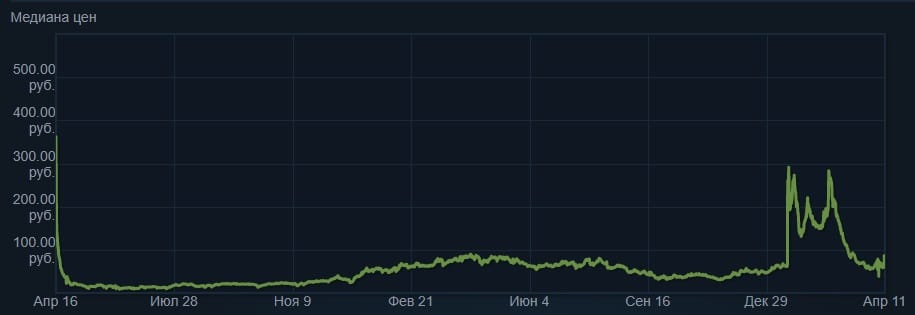
Since CS2 launched, popular skins have moved in different directions: some rose noticeably, others returned to their earlier level or got cheaper. Prices before CS2 compared with current LIS-SKINS prices:
| Weapon | Skin | Price Before CS2 | Current Price |
|---|---|---|---|
| AWP | Asiimov (FT) | $80 | ~$105 |
| M4A4 | Howl (FN) | $7,248 | ~$7,200 |
| AK-47 | Souvenir Panthera onca (FN) | $840 | ~$640 |
| USP-S | The Traitor (FN) | $148 | ~$95 |
Growth holds where looks, collection rarity and a closed drop pool come together, as with the Asiimov. Expensive skins like the Howl returned to their earlier level after the spike, and some items got cheaper along with the broader 2025 correction.
What's Up With Cases and Why Are They Getting More Expensive?
In CS2, cases have become not just a way to get a skin but an investment asset. Many players buy them by the dozen and wait for prices to rise. The Clutch Case, for example, cost about $0.04 in 2022 and now sells for around $0.50, more than ten times as much.
Main reasons:
Cases with rare loot no longer drop.
Gloves and knives from old cases are getting scarcer.
Hype around new collections creates speculative demand.
Here the CS skin market depends directly on case inflation: the fewer items enter the drop pool, the higher the trading price.
Forecast: Where Is the Market Heading?
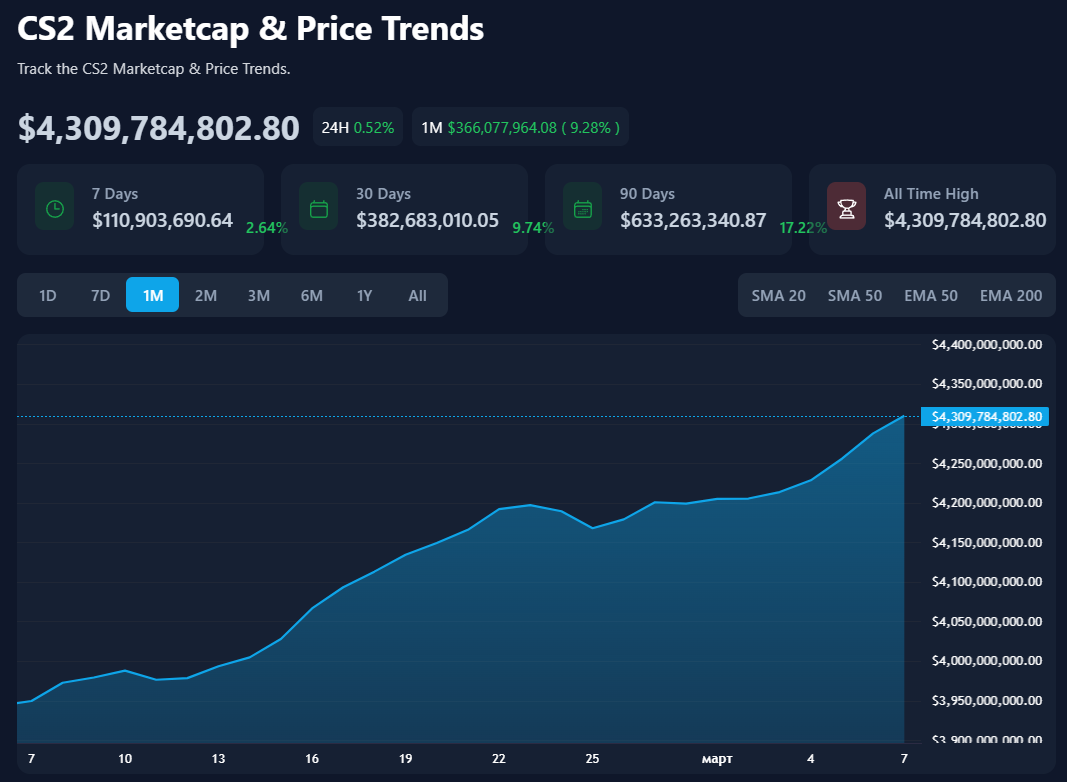
The market is now stabilizing after the shake-up of 2025. Players approach purchases more cautiously, while Valve keeps releasing new collections and changing the rules, so new surges of interest will keep coming.
Should You Enter the Market Now?
Yes, but with a clear head. The market has matured but still carries risk. If you just want to customize your weapons, everything is accessible and convenient. If you plan to invest, study trends, charts and trading history, and keep in mind that a single Valve decision can quickly reprice an entire category of items.
The CS skin market today is not just entertainment but a full ecosystem worth millions of dollars, with active communities and its own rules. If you understand how it works, you can get both enjoyment and profit out of it.
