


Counter-Strike 2 (CS2) is more than just a shooter. It's a legendary game that has united millions of players around the world. Everything here—from competitive matches to aim training—becomes a way of life for fans. But beyond shooting and tactics, there’s another crucial aspect of the game: the in-game economy. It’s what makes CS2 stand out among other shooters.
One of its key components remains the cases. These virtual containers with skins have long become an integral part of the CS2 ecosystem. They keep the game exciting, fuel the skin market, and introduce an element of gambling that attracts both newcomers and veterans.
Many players wonder: which cases can drop in CS2 now, which drop weekly, and which are gone for good? The answer is more than just trivia. Knowing the current case list helps decide whether it's worth opening them for a shot at a rare knife or gloves—or better to sell them on the marketplace.
Basics of Case Drop Mechanics
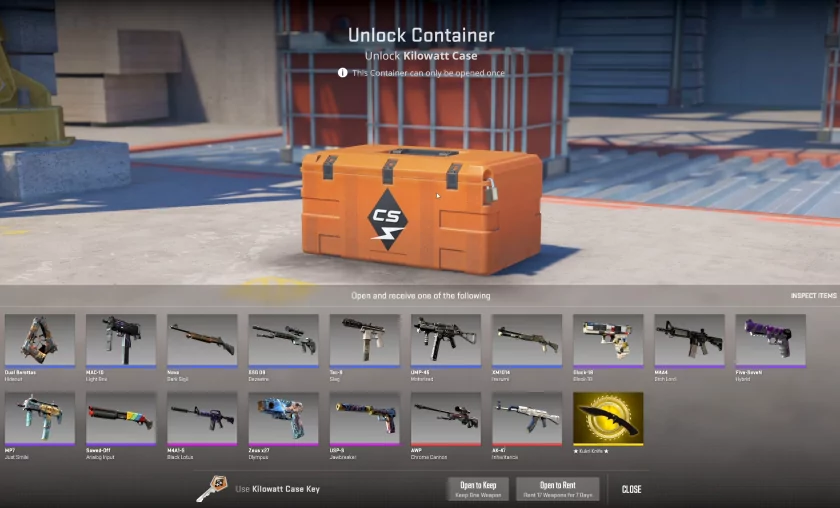
Cases in CS2 are containers that hold a random weapon skin of varying quality. To open them, you need a special key purchased separately with real money via the Steam store. The price of a key is usually around $2.50.
Each case has a fixed set of skins and rare items, typically including:
8 regular skins (blue quality),
3 rare (purple),
1 very rare (pink),
1 ultra rare (red),
plus a chance for a knife or gloves (gold quality).
This reward distribution system makes opening cases thrilling—the chance for a rare drop is always there, but minimal. The rarer the item, the less likely it is to drop, and thus the higher its market value.
Where and How to Get Cases
There are three main ways to obtain a case:
In-game drop. After finishing matches in official modes (MM, Wingman, Deathmatch), players with Prime status can receive one case per week.
Steam Market. Here you can buy any case, from a few cents to dozens of dollars.
Trading with other players. Done via the Steam trade interface.
Each method has its perks. In-game drops are free but limited. Buying or trading gives full control, but requires spending or effort to find offers.
How Often Cases Drop
The CS2 case drop system is simple, but has key restrictions:
Only one drop per week, resetting every Thursday night to Friday (Moscow time).
One case per week maximum. Another will drop the following week.
Cases drop only for Prime account holders.
Important: which cases can drop in CS2 weekly depends on the current rotation set by Valve.
Randomness and Anti-Farming
Valve has implemented an anti-farming system. No matter how many matches you play in a night, the drop chance remains the same. You can’t farm extra cases through spam. The drop is entirely random—there’s no way to predict which case you'll get.
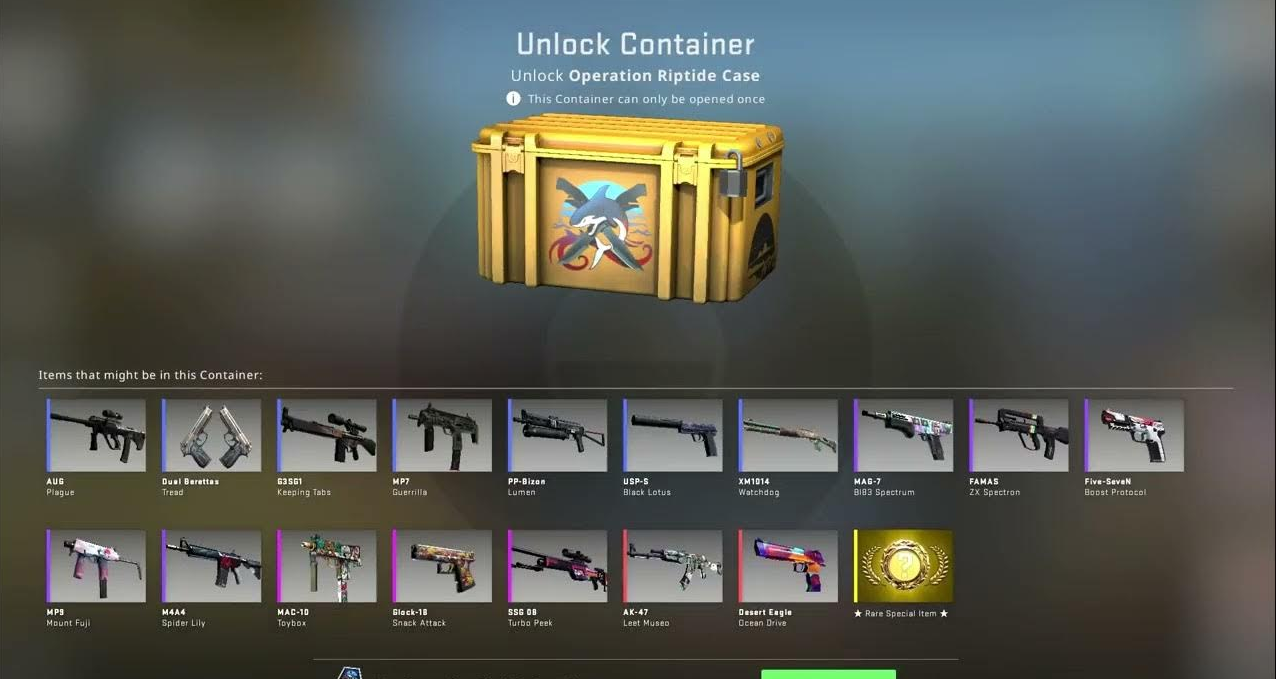
Current Cases That Can Drop in CS2
As of mid-2025, the following cases are part of the active drop list:
1. Revolution Case (2023)
One of the newest cases.
Includes a modern skin set, featuring popular ones like M4A4 | Temukau and UMP-45 | Wild Child.
Contains unique knives with Clutch finishes (no gloves included).
2. Recoil Case (2022)
Cases with classic knives and stylish skins.
Most popular skin: AWP | Chromatic Aberration.
Features unique finishes for AK-47, USP, and P250.
3. Fracture Case (2020)
Includes knives with Shattered Web series finishes.
Popular skins: Desert Eagle | Printstream, Glock-18 | Vogue.
4. Kilowatt Case (2024)
A new case that replaced the Snakebite Case in the active drop pool.
Contains gloves and a vibrant set of modern skins.
Key skins: AK-47 | Inheritance, USP-S | Serenity.
5. Dreams & Nightmares Case (2022)
Created from community-made skins that won a contest.
Includes AWP | Duality, MP9 | Starlight Protector.
One of the most vibrant and fantasy-themed cases.
Why These Cases Drop
The case drop system in CS2 depends directly on the rotation policy used by Valve. The company aims to maintain a balance between drop variety, player interest, and the stability of the skin market economy.
Typically, the active drop list includes:
The most recent case—added right after release to boost excitement around new skins.
One or two older cases—ensures access to popular collections without market oversaturation.
One or two budget-friendly cases—like Snakebite or Dreams & Nightmares. These are more affordable on the marketplace, helping newer players get into case opening.
When a new case is released, it always replaces the oldest case in the current active drop list, which then moves to the "no longer dropping" category. This happens automatically with no official Valve announcement—after an update, a certain case simply stops dropping in matches.
Important: unlike map collections (like Train or Italy), which fully disappear from drops after operations or updates, cases last longer. Some stay in the active drop list for years. For example, Snakebite has remained available much longer than most, likely due to its popularity and affordability.
Also note: Valve never publishes exact drop list change dates in advance. Players track changes via patch notes and community info. So if you're wondering which cases can drop weekly in CS2, the best way to know is by following community updates and trader trackers.
Pro tip: drop rotation changes almost always trigger price spikes. The oldest case leaving the drop list starts rising in price quickly. That’s why experienced players often stock up on such cases ahead of major updates to sell them later at a profit.
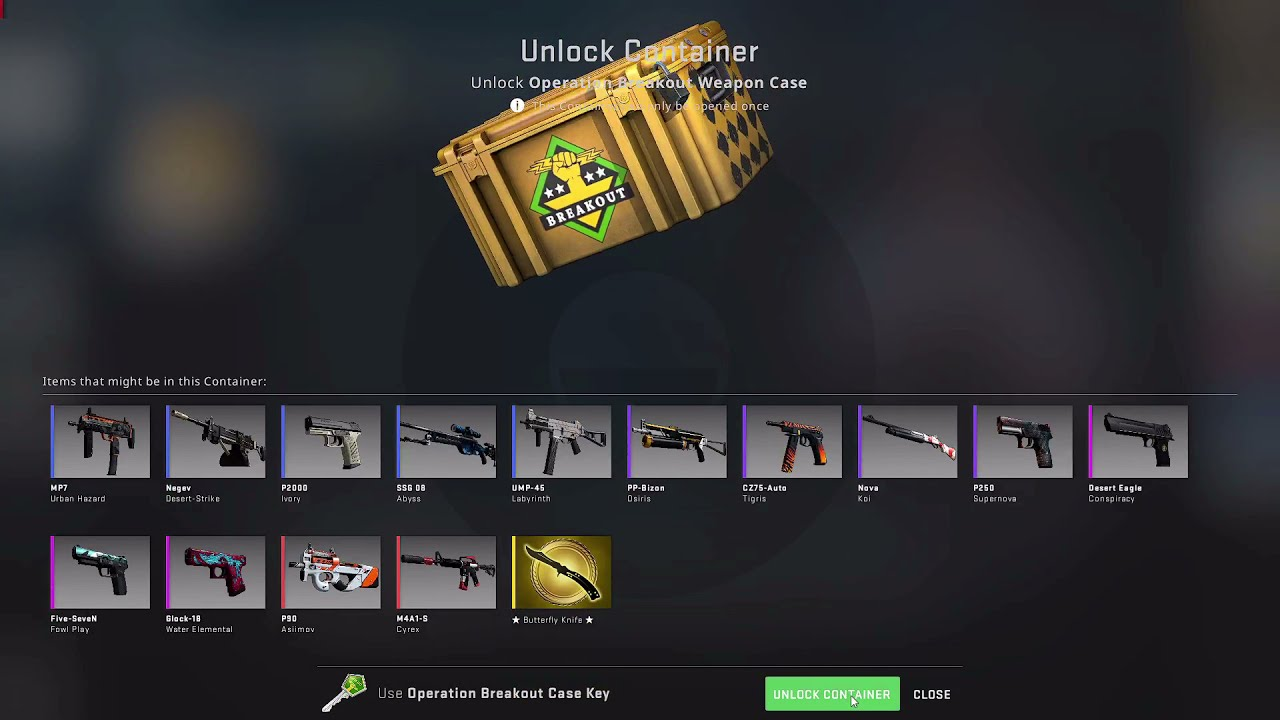
Private Drops and Legacy Cases
In CS2, cases are split into two categories—those that still drop after matches and those that have been retired. Retired cases gradually become highly valuable among collectors and traders. Since they no longer drop in-game, their supply decreases over time. Each year, they become harder to find, and their price consistently grows. That’s why many players monitor which cases can still drop in CS2 to know when to invest or expand their collections.
What Does “No Longer Dropping” Mean?
Not all CS2 cases are available as post-match drops. Over time, Valve removes some cases from the active pool to make room for new ones. These move to the “no longer dropping” category and become rarer. Players often call them “archived” or “legacy” cases.
After that, you can’t get such cases through normal gameplay anymore. But they’re not gone forever—there are still ways to obtain them.
How to Get Old Cases
If you're wondering how to find these cases, here are the available options:
Buy on the Steam Market.
Check your inventory—you may have received one in the past.
Trade with other players.
These options work for all legacy cases. Just keep in mind that their prices vary widely depending on rarity and demand.
Popular Legacy Case Examples
Among the retired cases are both iconic and modest but still in-demand ones. Here are some that remain popular with collectors and traders:
Chroma Case — famous for Chroma knife finishes.
Falchion Case — features the unique Falchion Knife.
Gamma Case — legendary for Gamma Doppler knives.
Glove Case — the first to feature gloves instead of knives.
Clutch Case — still hugely popular due to its vast glove selection.
Prisma and Prisma 2 — affordable cases with stylish modern skins.
Each of them has a unique story, signature skins, and different levels of investment appeal. Their prices continue to rise—especially as availability dwindles.
Case Economy and Value
CS2 cases are more than just cosmetics—they’re full-fledged trading assets within the Steam ecosystem. Demand for them can rival that of cryptocurrencies or collectible cards.
Players who closely follow which cases can drop in CS2 understand that a case’s value depends not only on its age but also on its content, rarity, and demand trends.
How Much Are Cases Worth?
The case market is roughly divided into three pricing categories:
Cheap cases: $0.03 to $0.15 — e.g., Snakebite or Dreams & Nightmares.
Mid-range: $0.30 to $1.00 — includes Fracture, Prisma, Clutch.
Rare and expensive: $2.00 to $60.00+ — such as Glove Case, Operation Bravo Case, Weapon Case #1.
Each category has specific reasons behind its price fluctuations.
Why Prices Vary
Several factors influence case prices:
Cases with Gamma knives or gloves tend to be more expensive.
Drop rarity and skin desirability matter greatly.
Speculation plays a role—many buy cases expecting price increases.
Also remember: each patch or rotation change can significantly affect a case’s value.
Examples of Price Growth
There are many cases that have increased in value tenfold or more. Here are some examples:
Clutch Case: ~$0.05 in 2021, ~$0.60 in 2026.
Glove Case: rose from $1 to around $12.
CS:GO Weapon Case: legendary rise from $5 to $60+.
Such price jumps are not uncommon. Players who stock up on cheap cases before they retire often profit handsomely.
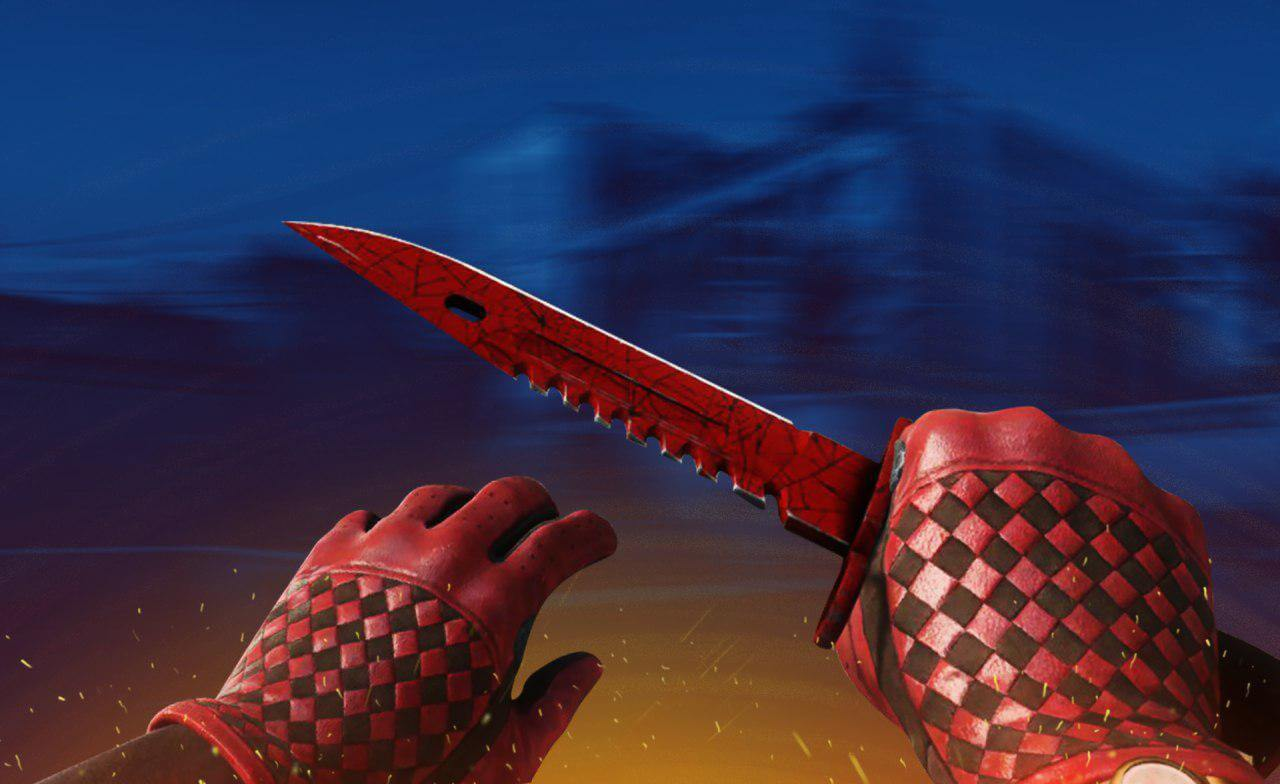
Gloves, Knives, and Special Rare Items
CS2 cases don’t just contain ordinary weapon skins. The real excitement lies in the chance to unbox something truly rare and valuable—namely, knives and gloves.
The odds are tiny, but that’s what makes case opening so thrilling—especially if you know which cases contain specific rare items.
What Can Drop Besides Skins
In addition to standard skins, any case might contain:
Knives (in most cases).
Gloves (in Clutch, Snakebite, Recoil, Glove cases).
These drops are rare, but they often define the overall value of a case.
Drop Rates
Chances of getting a rare item are quite low:
Knife or gloves — 0.26% (about 1 in 385 openings).
Covert skin (red rarity) — 0.64%.
This makes case opening akin to gambling—a low chance, but with a potentially huge reward.
Which Cases Have Special Items
Some cases are especially valuable due to the specific knives or gloves they contain:
Gamma Case — only Gamma knives.
Clutch Case — only gloves (lots of variations).
Snakebite Case — gloves.
Glove Case — gloves.
Fracture and Shattered Web — knives with unique finishes.
If your goal is a Gamma Doppler knife or rare sport gloves, the case choice becomes obvious.
How This Affects Value
Cases with knives and gloves are always more expensive. That’s inevitable, since many players are willing to pay extra just for the chance to get something rare. That’s why cases like Glove or Gamma never fall below a certain price threshold.
Conclusion
CS2 cases are more than a way to decorate your weapons—they’re a full-fledged part of the economy, excitement, and collection game. Knowing which cases can drop in CS2 not only helps you choose what to open for fun, but also how to approach it as an investment.
Interest in cases remains consistently high. Whether you play for fun, cool skins, or profit—understanding the mechanics of drops, rotation, and market dynamics gives you a serious edge. Just remember: luck in CS2 is random, but knowledge makes it a little less unpredictable.
