


To determine the price of a skin in CS2, open the item page on a marketplace (Steam Market or LIS-SKINS), select the condition you need and check the lowest listings and the sales history for the last few weeks. For popular skins that is enough: the market is deep and the price is obvious. Knives, gloves and skins with a rare pattern or a very low float sell less often, so they are valued by comparing several similar listings. Below we cover both cases and the factors that drive the price.
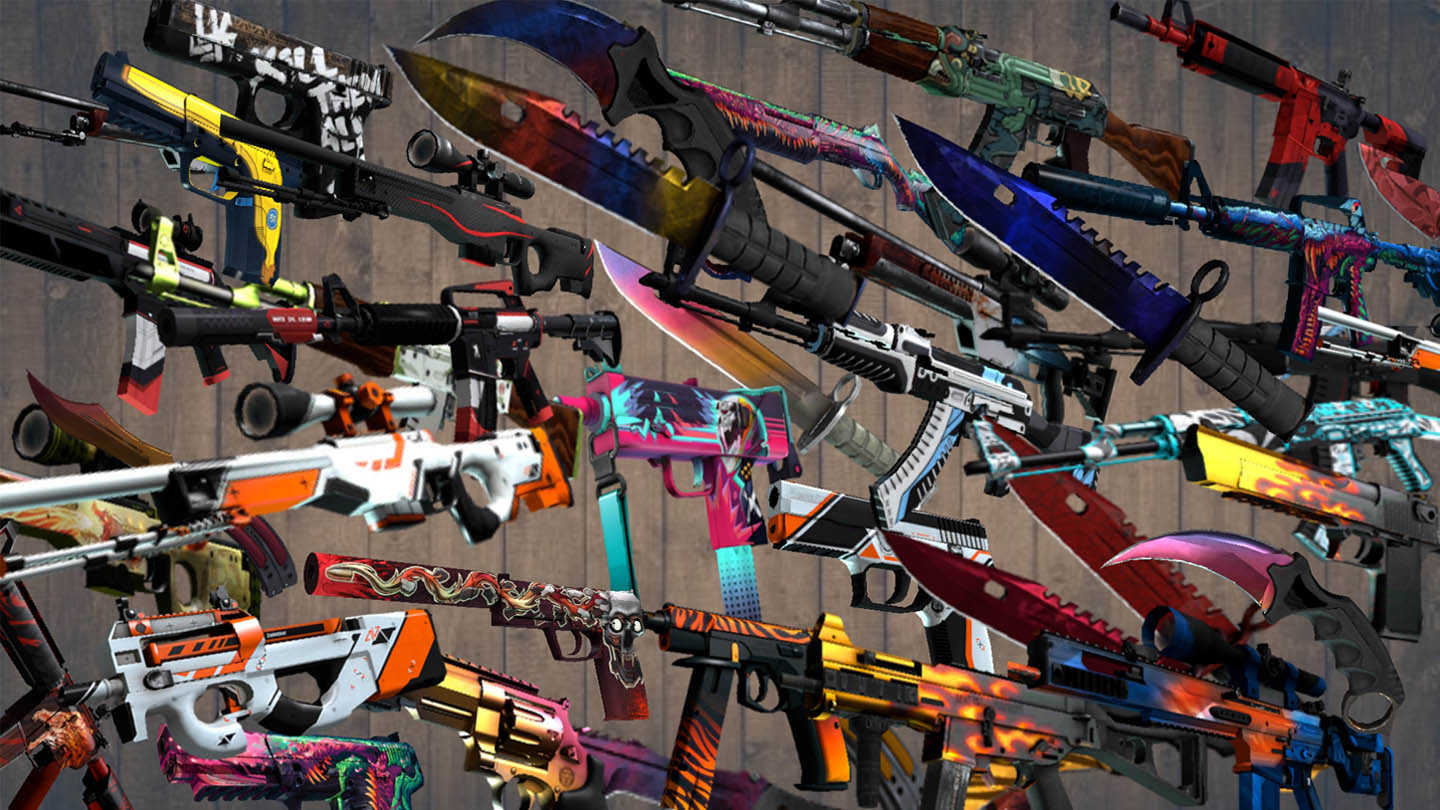
How to understand how much a skin should cost
Imagine this: after opening a case, you have a notable skin that could sell for a good amount. The rarer the item, the harder it is to value, so start by checking the market.
For popular CS2 skins that are frequently bought and sold, setting an optimal price is straightforward. You can check historical price trends on the official Steam Community Market or on third-party platforms. Although prices fluctuate during the day, it is easy to see what buyers are willing to pay and what sellers are asking. When you compare platforms, account for fees: Steam keeps about 15% of every sale, and the money stays in your Steam Wallet with no way to withdraw it, which is why marketplace prices are usually lower than Steam Market prices.
By looking at the chart, you can also try to anticipate where the price is heading. If it has been rising lately and you want to sell right now, you can set the price slightly above the average, and a buyer will most likely appear soon. Why some items gain value while others lose it is covered in our article on why skin prices go up and down.
How much rare skins cost
With knives, gloves and rare gun skins, the situation is more complicated. Such items are not listed very often, which makes it hard to build a reliable price chart. For a more convincing estimate, compare several similar items (same model and finish, a close float, a similar pattern) and check the data on different platforms. If the last sale was a long time ago, you can list slightly above that sale and lower the price step by step if the skin does not sell. After all, it is better to cut the price later than to miss out on potential profit.
What affects the price of a skin
To refine your estimate, keep in mind the factors that affect the price of a skin:
float value and wear condition (see our guide to skin wear and float);
for some skins, the pattern index (examples in our article on rare patterns in CS2);
the collection the skin belongs to;
rarity;
a StatTrak counter;
the Trade Protection lock: on LIS-SKINS, unlocked skins cost slightly more than those still under trade protection.
The more expensive and rarer the skin itself, the more these extra parameters affect its price. A copy with a float close to zero can cost several times more than an average-condition one. For cheap skins the difference hardly matters: the P2000 | Royal Baroque costs around 10 cents in Battle-Scarred and still under a dollar in Factory New. Expensive skins are another story: the AK-47 | Redline costs about $25 in Field-Tested and around $130 in Minimal Wear.
StatTrak also raises the price noticeably, but by how much depends on the skin. A StatTrak AK-47 | Redline in Field-Tested costs about $65 versus $25 for the regular version, and a StatTrak AWP | Asiimov goes for around $220 versus about $100. A notable pattern index adds to the price as well, especially when the odds of getting that look are low. In addition, skins from limited collections that no longer drop can gain value because the supply on the market is fixed.
So, to sell a skin yourself without underpricing it, study the item's past sales and how its price has changed over time. If another player offers you a deal, think it over carefully before accepting. To avoid extra risk, it is easier to use LIS-SKINS: you can sell skins at market prices and cash out real money, and for large deals and rare items we can discuss individual terms.
FAQ
How do I check a skin's price on Steam?
Open the item in your Steam inventory or on the Steam Community Market and look at the current listings and the sales chart for the condition you need. Keep in mind that this price already includes Steam's fee of about 15%.
Why is a skin cheaper on a marketplace than on Steam?
On the Steam Market, the seller only receives Steam Wallet funds and pays a fee, so prices there run higher. Marketplaces pay real money for skins, so their prices sit closer to actual market value.
How do I find out the value of my whole inventory?
There are services that value an entire inventory at market prices. Our guide on how to check your inventory value explains how to use them.
