


You can check a skin's pattern in CS2 right in the game: open your inventory, select the item, click "Inspect" and look for the Pattern Template number in the item details. That number is the pattern index, a value from 0 to 1000 that decides which part of the texture lands on the weapon. When you buy, the pattern is usually shown on the listing or can be checked through the inspect link. The index shapes how the skin looks and, on some finishes, what it costs: two copies that seem identical can differ in price several times over.
Below we cover what a pattern is, where to find it, how it affects price, which patterns count as rare and how to use all of this when buying and trading.

What CS2 Skin Patterns Are
In CS2, a pattern is the template that maps a texture onto a skin. When an item is generated, the game randomly picks which part of the texture appears on the model. That is why two copies of the same skin, say AWP | Gungnir, can look noticeably different.
Every copy carries a pattern index (shown in game as Pattern Template) from 0 to 1000. It is set when the item drops and never changes. Some indexes produce an especially attractive or rare layout, and those copies sell for more.
The pattern system makes each skin potentially unique, even with the same name and rarity. It matters most on finishes where placement is critical: marbled swirls, blue patches on Case Hardened steel, the webbing on Crimson Web or the color transition on Fade.
Do not confuse pattern with float. Float sets the wear level, the pattern sets where the artwork sits, and the two values are independent. For more on wear, read our guide on what float is and how skins wear in CS2.
How to Check a Skin Pattern in CS2
You can find the pattern with in-game tools or while browsing a listing. The simplest way is through your inventory:
Open your CS2 inventory.
Find the skin and click on it.
Choose "Inspect" (in the Steam web inventory the button is called "Inspect in Game").
In the inspect view, find the item details: they list the wear (float) and the Pattern Template, which is the pattern index.
Someone else's skin can be checked the same way: another player's inventory and marketplace listings have an inspect button that opens the item in game. Many marketplaces also show float and pattern right on the listing, so you can compare several copies without launching CS2.
The number alone does not tell you whether a pattern is good. To see which category a copy falls into, compare it with lists of known indexes:
pattern tier lists for specific skins, such as our guides to AK-47 | Case Hardened patterns and Karambit | Marble Fade patterns;
inspect-link checkers that show float, index and a preview of the skin;
browser extensions for the Steam inventory that display float and pattern next to each item;
community galleries and threads, where a pattern number often turns up screenshots and past sales.
Even if you are not a trader and simply want a skin you enjoy using, understanding patterns helps you make a deliberate, personal choice.
How Patterns Affect Looks and Price
Patterns matter most on knives and weapons with bold, dynamic textures. These skins draw collectors and investors alike because of their visual and market value.
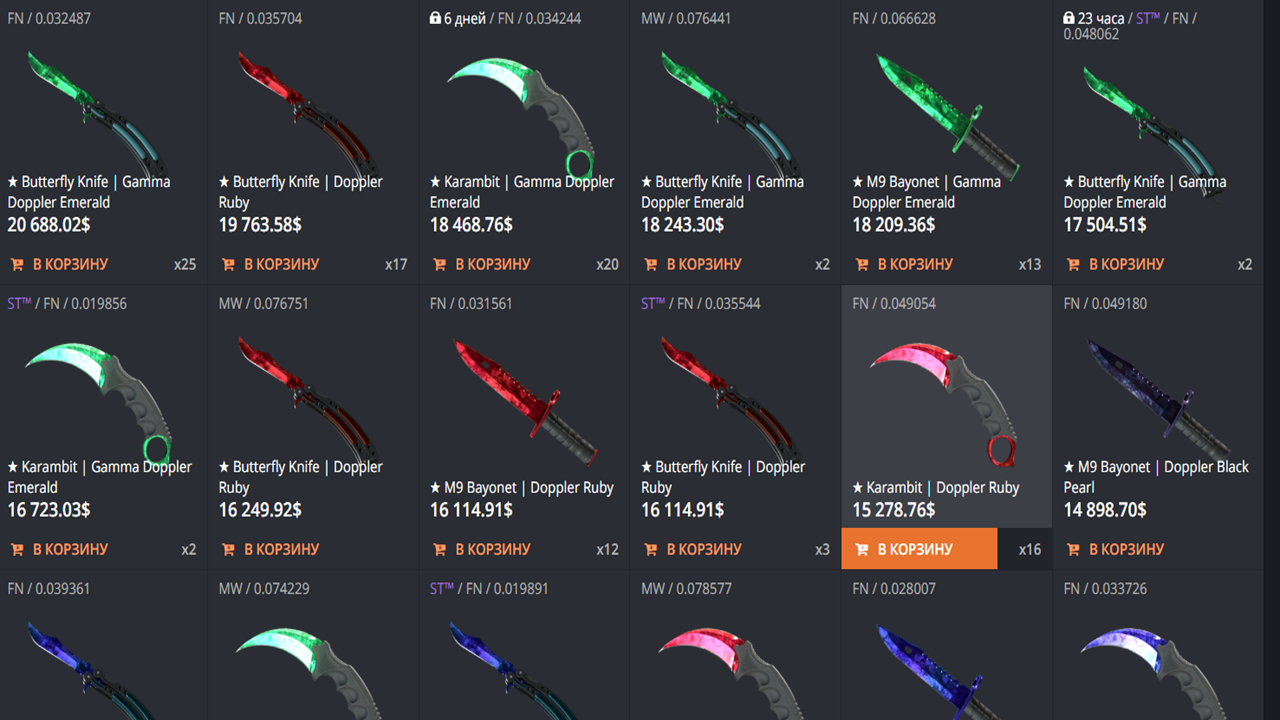
Take Doppler knives. Besides Phases 1 to 4, they come in special variants: Ruby, Sapphire and Black Pearl. Technically these are separate finish variants rather than pattern numbers, but they drop just as randomly and cost far more than regular phases. At LIS-SKINS prices, a Factory New Karambit | Doppler Ruby sells for around $7,350, Sapphire for around $4,850, while Phase 1, 3 or 4 go for about $1,300. Within each phase, the pattern index then decides where the color sits on the blade.
Another standout is Case Hardened, one of the most pattern-driven finishes in the game. Its texture is a random mix of gold, blue and purple patches. The more blue, especially on the blade or the top of the receiver, the higher the value. A Karambit | Case Hardened with an ordinary pattern costs around $1,550 in Factory New, while copies with an almost fully blue blade (Blue Gem) change hands in private deals for many times that. Pattern #387 on the Karambit is one of the best-known Blue Gems, and the rifle benchmark is the AK-47 | Case Hardened with pattern #661.
The AWP | Gungnir also deserves a mention. It has no "gems" the way knives do, but certain indexes give an especially clean rune layout, with the symbols running symmetrically along the body and nothing cut off. A regular Gungnir costs roughly $7,000 in Battle-Scarred to $12,000 in Factory New, and buyers often pay extra for a good rune placement.
A simple illustration: an M9 Bayonet | Case Hardened with an ordinary pattern costs from about $440 (Battle-Scarred) to $1,150 (Factory New). A copy with the same float but a blue blade can cost several times more, and the gap comes down to the pattern alone.
Traders commonly sort patterns into pricing tiers:
Tier 1: the rarest and most wanted patterns, usually a handful of indexes with the best composition.
Tier 2: good but not perfect patterns that fall short on looks or color coverage.
Tier 3: standard patterns with no special value.
These tiers let you judge a skin by pattern as well as float and rarity, which matters most when trading or buying expensive items. We explain what the pattern index affects in a separate article.
Types of Rare Patterns and How to Find Them
Rare CS2 skin patterns attract the most attention from collectors and investors. What counts is unique visuals combined with a low chance of appearing: the odds of a truly rare copy are small, and that is exactly why such items command the highest prices.
The categories people hunt for most:
Blue Gem (Case Hardened): maximum blue coverage, especially on the blade or the top of the weapon. The best-known examples are the Karambit with pattern #387 and the AK-47 with pattern #661, both worth many times a regular copy.
Full Fade: copies where the color transition covers almost the entire surface. On the AWP | Fade, which costs around $630 in its regular form, collectors look for a purple-to-yellow transition along the whole length. Our M4A1-S | Fade pattern guide shows how this works on a rifle.
Crimson Web with a centered web: the round web lands right in the middle of the blade. These copies look symmetrical and are especially prized. A regular Karambit | Crimson Web in Minimal Wear costs around $940. More in our article on Crimson Web pattern skins.
Marble Fade Fire & Ice: no yellow on the blade, only blue and red. A knife classic, with clean color separation valued most. A regular Karambit | Marble Fade is around $1,050.
"Pretty" numbers: some collectors look for memorable indexes like #0, #666 or #777 on a favorite skin. It is a vanity detail that barely moves the market price.
How are these patterns found? It comes down to experience and tools: players check indexes against tier lists, verify items through inspect links, use inventory extensions and follow discussions in dedicated communities. More examples are collected in our article on rare patterns in CS2.
Once you understand how CS2 skin patterns work, you can do more than chase good-looking copies: you can judge their market potential. Some traders go through hundreds of listings by hand looking for one specific index.
Aesthetic Patterns and Personal Taste
Not every expensive pattern is beautiful, and not every beautiful one is expensive. Each player has their own sense of style: some like a blue accent, others prefer symmetry.
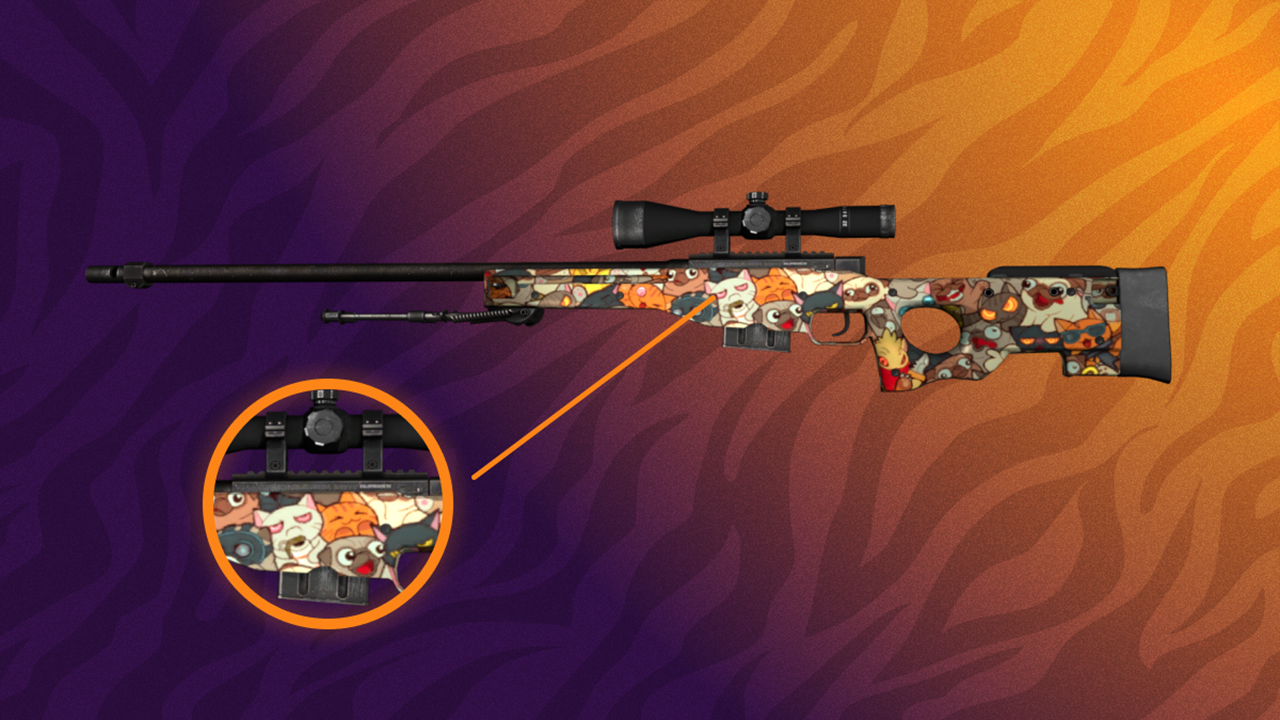
Even a beautiful Gungnir pattern in CS2 can be cheap if it is not among the widely recognized valuable ones. Still, such copies often become a point of pride for their owners.
On Steam, Reddit and Discord you can find community picks for the best patterns. These discussions show that CS2 skin patterns are about taste as much as money. Some players deliberately look for unusual, underrated patterns to stand out.
How to Use Pattern Knowledge in Trading
For a trader, a pattern is not just a visual detail but a real pricing factor. Understanding CS2 skin patterns gives you a clear edge when buying and trading.
First, items with a good pattern are sometimes listed at the price of ordinary copies when the seller has not checked the index. If you know what to look for, you can spot a good deal.
Second, you can hunt for specific indexes. With a list of valuable IDs for a given skin and a clear idea of what is worth chasing, you are a step ahead. Collectors actively seek top-tier patterns and pay a premium for them.
Third, float and pattern work together. The ideal case is a rare pattern with minimal wear. That combination is uncommon, so it is worth more than either trait on its own.
This approach turns trading from a game of luck into analysis: check the index, compare the pattern with a tier list, look at the float and decide whether to buy. Keep a list of valuable IDs at hand and double-check any item that is listed well below the market.
Making Informed Choices with Pattern Knowledge
A pattern defines an item's visual identity, its rarity and its value. Once you understand it, you will make better decisions and find more interesting copies.
Beginner's checklist:
Check the pattern before buying, either in the in-game inspect view or on the listing.
Compare it with tier lists and community discussions to see how valuable the copy is.
Do not focus on price alone. Even a common pattern can be the one you like best.
FAQ
Where can I see a skin's pattern in CS2?
In your CS2 inventory: select the item, click "Inspect" and find the Pattern Template number in the item details. On marketplaces, the pattern is usually shown on the listing.
Can I check the pattern before buying?
Yes. Open the listing with the inspect button or read the index on the item card, then compare it with a tier list for that skin.
Does float affect the pattern?
No. Float sets the wear level and the pattern sets where the artwork sits. They are independent values, although the most expensive items combine a rare pattern with a low float.
Which skins have patterns that affect price the most?
Case Hardened (Blue Gem), Fade and Marble Fade, Crimson Web and the special Doppler variants. On most ordinary skins, the pattern barely changes the price.
